Potato Lefse
Potato Lefse is a delightful Scandinavian flatbread that brings warmth and comfort to any meal. Made with simple ingredients, this versatile bread is not only easy to prepare but also rich in flavor. Traditionally enjoyed during holidays and family gatherings, Potato Lefse has a unique texture that pairs beautifully with both sweet and savory toppings. Get ready to impress your family and friends with this delicious recipe that’s sure to become a beloved staple in your kitchen.
Why It Deserves a Spot
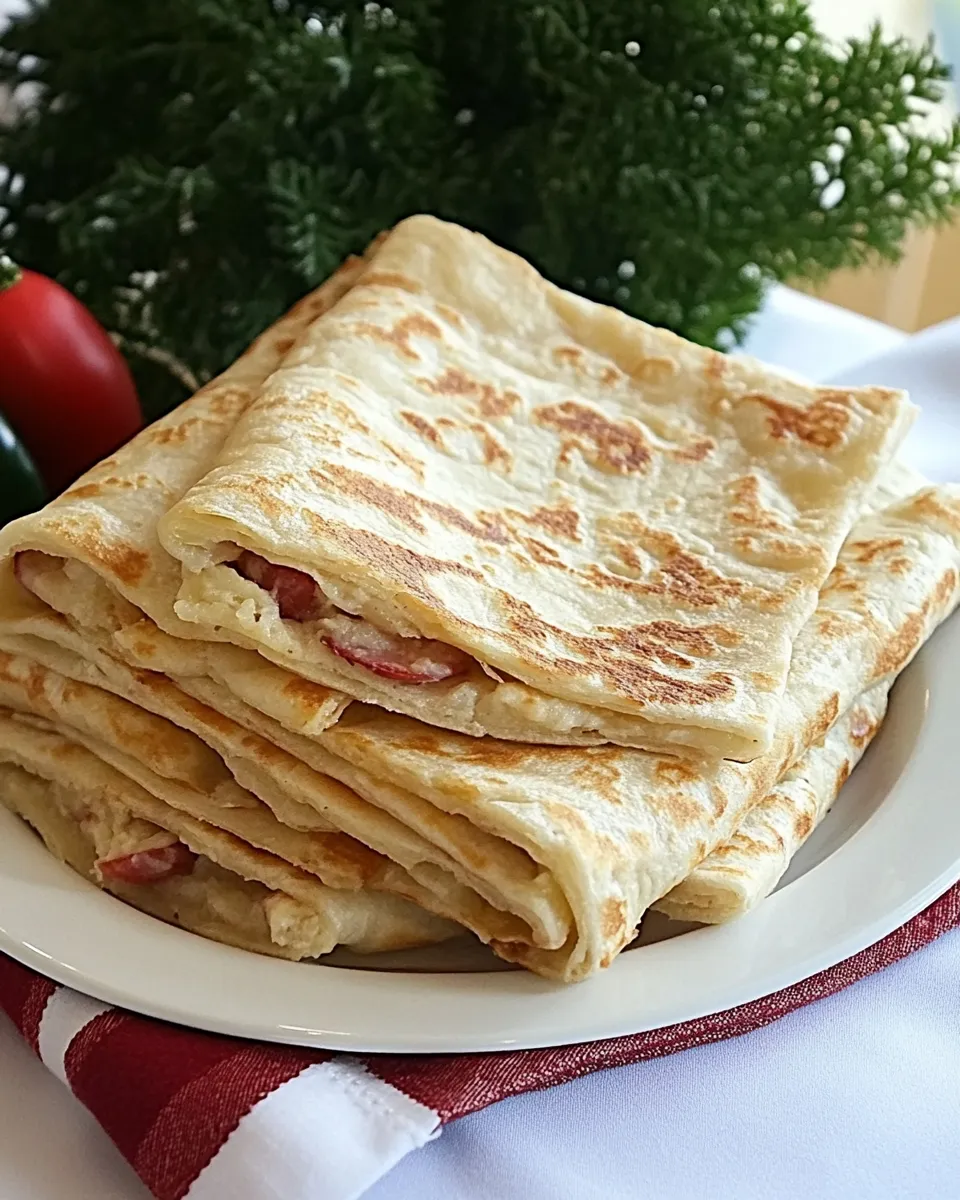
Potato Lefse deserves a special place in your recipe repertoire for several reasons. First, the combination of potatoes, butter, and cream creates a soft and tender bread that melts in your mouth. Second, its adaptability means you can enjoy it with a variety of fillings, from butter and sugar to savory meats and cheeses. Finally, making Potato Lefse can be a fun and engaging family activity, allowing everyone to participate in the cooking process. Whether you are reminiscing about family traditions or creating new memories, this cherished recipe is a must-try.
Your Shopping Guide
To make Potato Lefse, you’ll need to gather a few ingredients. Here’s a detailed shopping list to ensure you have everything you need:
- Russet Potatoes: 1 1/2 pounds, peeled and diced. These starchy potatoes will give your Lefse the perfect texture.
- Butter: 1/2 stick (2 ounces). Use unsalted butter for better control over the saltiness of your dough.
- Heavy Cream: 1/2 cup. This adds richness and moisture to the dough.
- Sugar: 2 tablespoons. This will give a slight sweetness to your Lefse, balancing the flavors.
- Salt: 1 teaspoon. Essential for enhancing the overall taste of the bread.
- All-Purpose Flour: 1 1/2 – 2 1/2 cups, plus extra for dusting. This will help you achieve the right consistency for rolling out the dough.
Recommended Tools
Having the right tools on hand will make your Potato Lefse-making experience smoother and more enjoyable. Here’s what you’ll need:
- Potato Masher or Ricer: For mashing the potatoes into a smooth consistency.
- Mixing Bowl: To combine all your ingredients efficiently.
- Rolling Pin: Essential for rolling out the dough to the desired thickness.
- Flat Griddle or Non-Stick Pan: For cooking the Lefse evenly.
- Spatula: To flip the Lefse without tearing it.
- Flour Sifter: Helps to evenly distribute flour while rolling out the dough.
Potato Lefse Cooking Guide

Now that you have your ingredients and tools ready, let’s get into the exciting part—making your Potato Lefse! Follow these simple steps for a perfect outcome:
Step 1: Prepare the Potatoes
Begin by peeling and dicing the russet potatoes into small cubes. Place them in a large pot filled with water and bring to a boil. Cook until the potatoes are fork-tender, about 15-20 minutes. Drain and let them cool slightly.
Step 2: Mash the Potatoes
Once the potatoes are cool enough to handle, use a potato masher or ricer to mash them until smooth. You want a creamy consistency with no lumps, as this will affect the texture of your Lefse.
Step 3: Make the Dough
In a mixing bowl, combine the mashed potatoes with the butter, heavy cream, sugar, and salt. Mix until well combined. Gradually add 1 1/2 cups of all-purpose flour, mixing until a soft dough forms. If the dough is too sticky, add more flour, a little at a time, until it reaches a workable consistency.
Step 4: Roll Out the Dough
On a lightly floured surface, divide the dough into smaller portions for easier handling. Roll each portion out into a thin circle, about 1/8 inch thick. Dust with flour as needed to prevent sticking.
Step 5: Cook the Lefse
Preheat your flat griddle or non-stick pan over medium heat. Carefully place the rolled-out dough onto the hot surface. Cook for about 1-2 minutes on each side, or until lightly browned and cooked through. Repeat with the remaining dough.
Step 6: Keep Warm
As you cook each Lefse, stack them on a plate and cover them with a clean kitchen towel to keep them warm and soft.
Make It Your Way
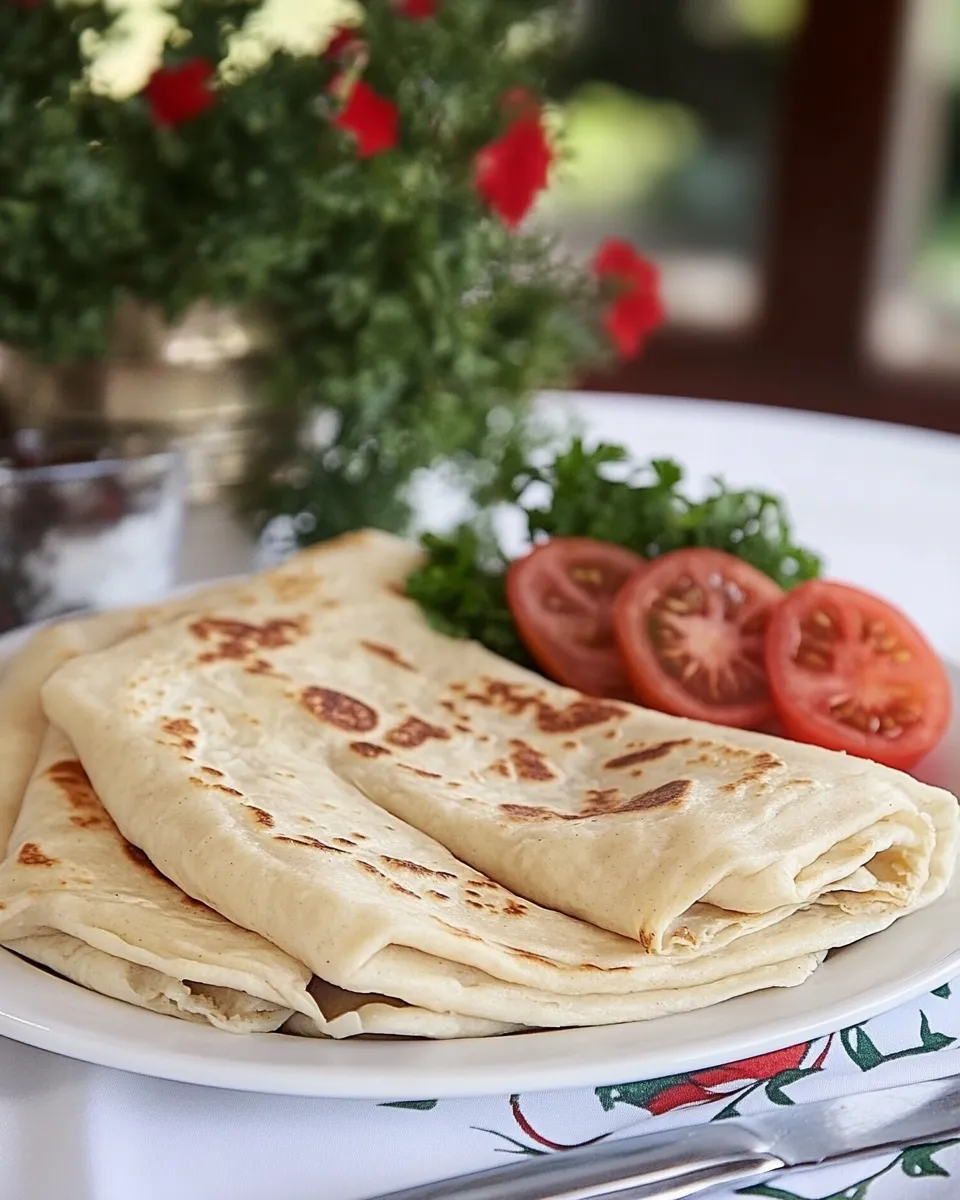
One of the best things about Potato Lefse is its versatility. Here are some ideas to customize your Lefse experience:
- Sweet Toppings: Spread with butter and sprinkle with cinnamon sugar for a delightful treat.
- Savory Fillings: Top with cream cheese, smoked salmon, and fresh dill for a delicious appetizer.
- Breakfast Style: Serve with scrambled eggs and sautéed vegetables for a hearty breakfast.
- Herbs and Spices: Add finely chopped herbs like chives or parsley to the dough for an aromatic twist.
What Could Go Wrong
Even though Potato Lefse is relatively simple to make, a few common issues may arise. Here are some things to watch out for:
- Dough Too Sticky: If your dough is too sticky, simply add more flour gradually until it reaches the right consistency.
- Overcooked Lefse: Keep an eye on the cooking time; overcooked Lefse can become dry and tough.
- Uneven Thickness: Ensure that the dough is rolled out evenly to avoid uneven cooking.
- Sticking to the Surface: Use plenty of flour on your work surface and rolling pin to prevent sticking.
Storage & Reheat Guide
To enjoy your Potato Lefse even after cooking, follow these storage and reheating tips:
Store any leftover Lefse in an airtight container in the refrigerator for up to 5 days. For longer storage, you can freeze the Lefse. Simply layer them between parchment paper, wrap tightly in plastic wrap, and place them in a freezer bag. They can be stored in the freezer for up to 3 months.
To reheat, simply warm them in a skillet over low heat for a few minutes on each side, or microwave them for about 15-20 seconds until warmed through. Enjoy them fresh, just like the day you made them!
Ask & Learn
Can I use other types of potatoes for Lefse?
While russet potatoes are preferred for their starchiness, you can experiment with Yukon Gold or other waxy potatoes. Just keep in mind that the texture may vary slightly.
Can I make the dough ahead of time?
Yes, you can prepare the dough ahead of time and refrigerate it for up to 24 hours. Just make sure to let it come to room temperature before rolling it out.
What can I serve with Potato Lefse?
Potato Lefse pairs wonderfully with a variety of toppings, such as butter, sugar, jam, or savory spreads. You can also fill them with meats, cheeses, or fresh vegetables for a complete meal.
Is Potato Lefse gluten-free?
This recipe contains all-purpose flour, which is not gluten-free. However, you can substitute a gluten-free flour blend to make a gluten-free version, adjusting the amount of flour as needed.
See You at the Table
Now that you’ve mastered the art of making Potato Lefse, it’s time to gather your loved ones and enjoy this delightful flatbread together. Whether you choose to keep it sweet or savory, Potato Lefse is sure to bring smiles and satisfaction to the table. Happy cooking, and may your kitchen be filled with the comforting aroma of freshly made Lefse!
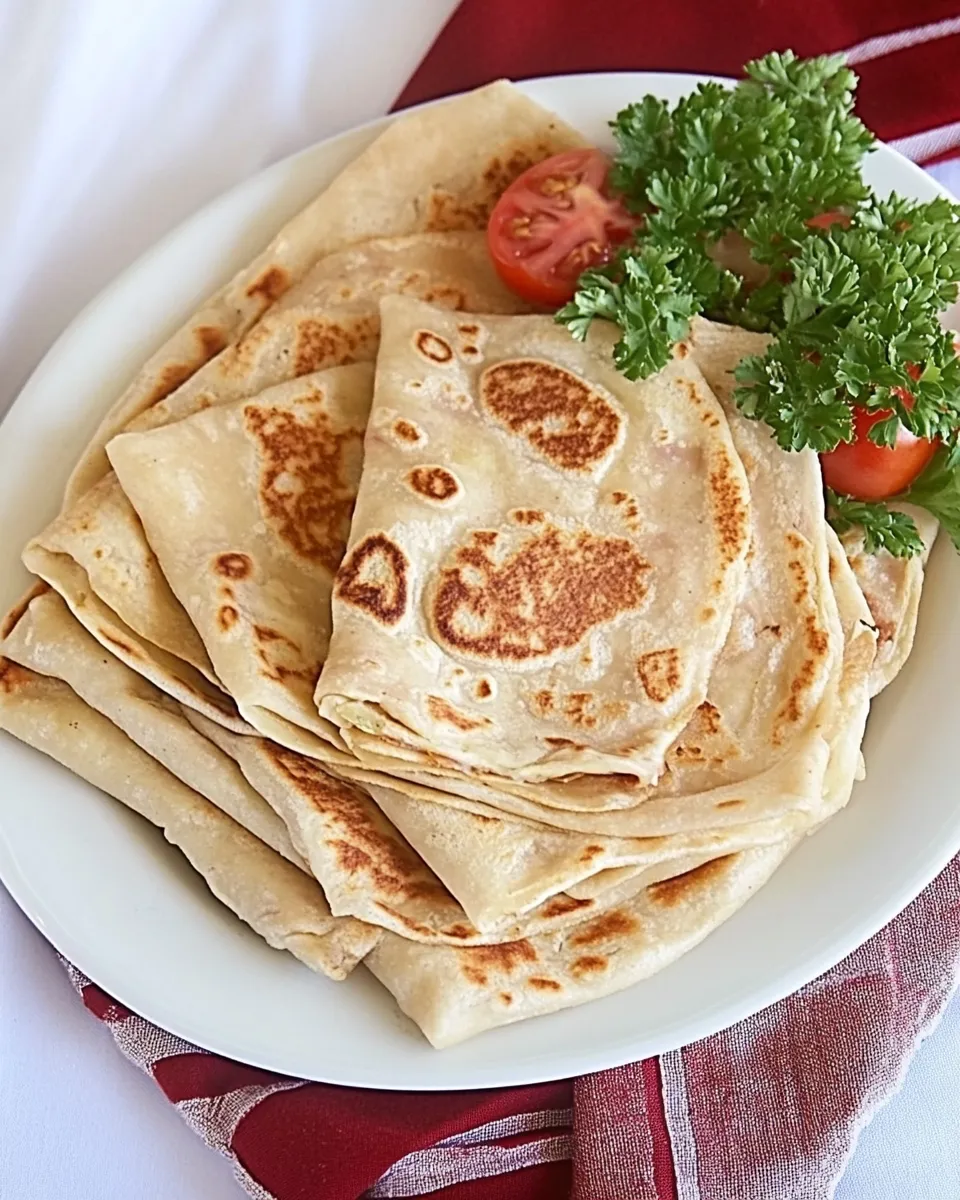
Potato Lefse
Ingredients
Equipment
Method
- Begin by peeling and dicing the russet potatoes into small cubes. Place them in a large pot filled with water and bring to a boil. Cook until the potatoes are fork-tender, about 15-20 minutes. Drain and let them cool slightly.
- Once the potatoes are cool enough to handle, use a potato masher or ricer to mash them until smooth. You want a creamy consistency with no lumps, as this will affect the texture of your Lefse.
- In a mixing bowl, combine the mashed potatoes with the butter, heavy cream, sugar, and salt. Mix until well combined. Gradually add 1 1/2 cups of all-purpose flour, mixing until a soft dough forms. If the dough is too sticky, add more flour, a little at a time, until it reaches a workable consistency.
- On a lightly floured surface, divide the dough into smaller portions for easier handling. Roll each portion out into a thin circle, about 1/8 inch thick. Dust with flour as needed to prevent sticking.
- Preheat your flat griddle or non-stick pan over medium heat. Carefully place the rolled-out dough onto the hot surface. Cook for about 1-2 minutes on each side, or until lightly browned and cooked through. Repeat with the remaining dough.
- As you cook each Lefse, stack them on a plate and cover them with a clean kitchen towel to keep them warm and soft.
Notes
- Store leftover Lefse in an airtight container in the refrigerator for up to 5 days.
- For longer storage, freeze Lefse layered with parchment paper for up to 3 months.
- Reheat in a skillet over low heat or microwave for 15-20 seconds.