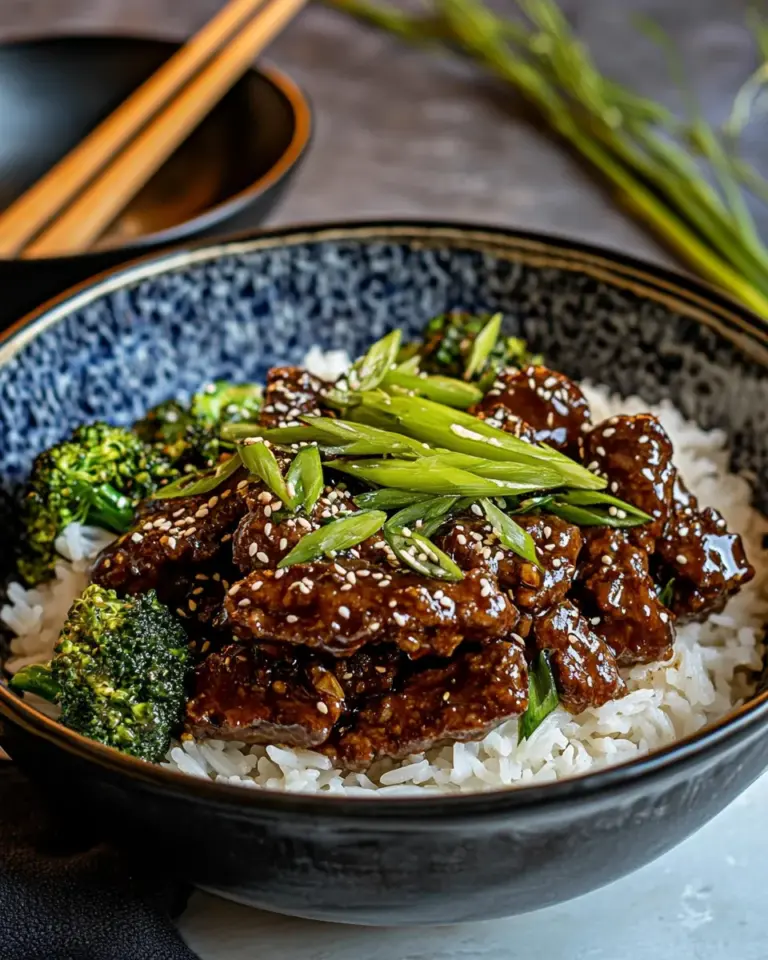
Skillet Mac and Cheese
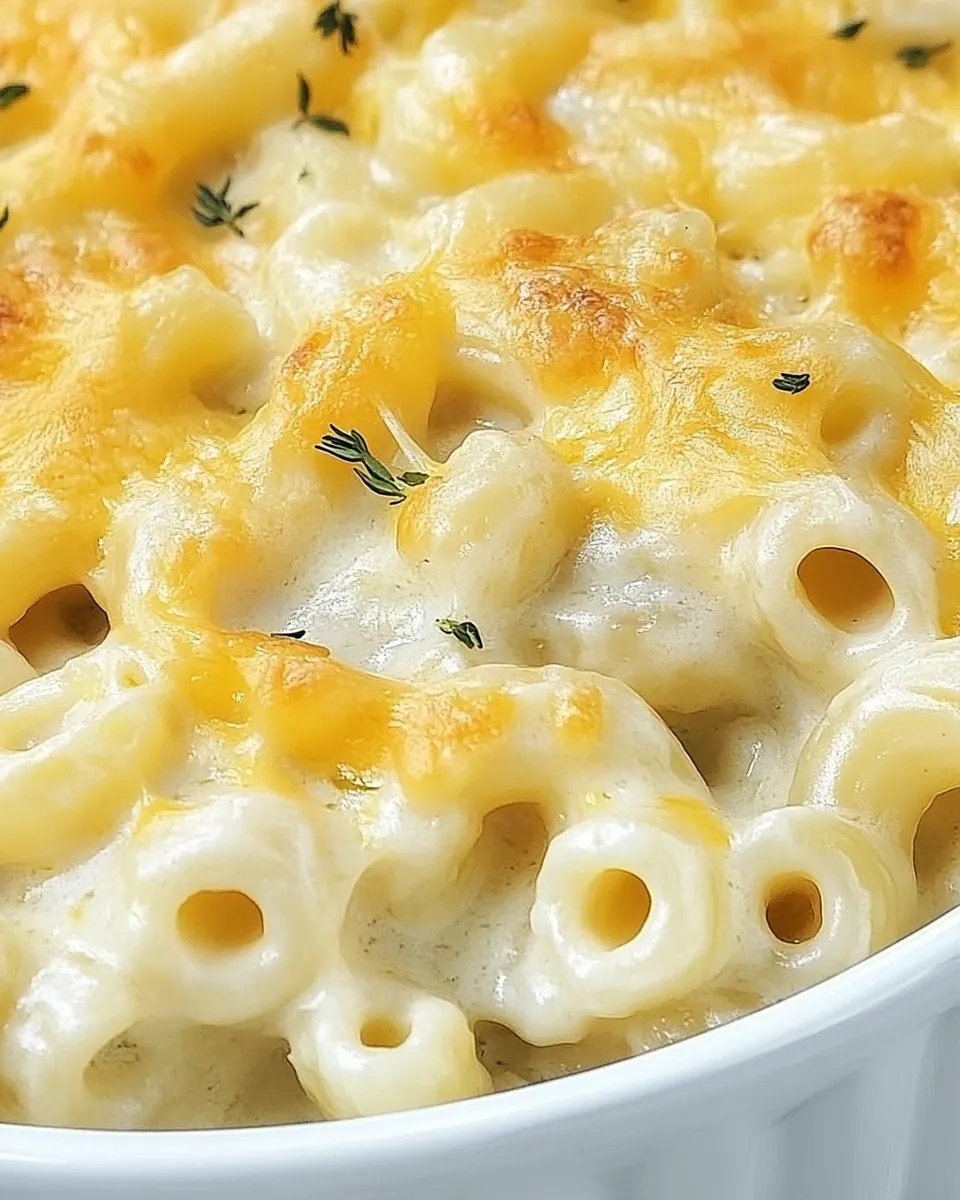
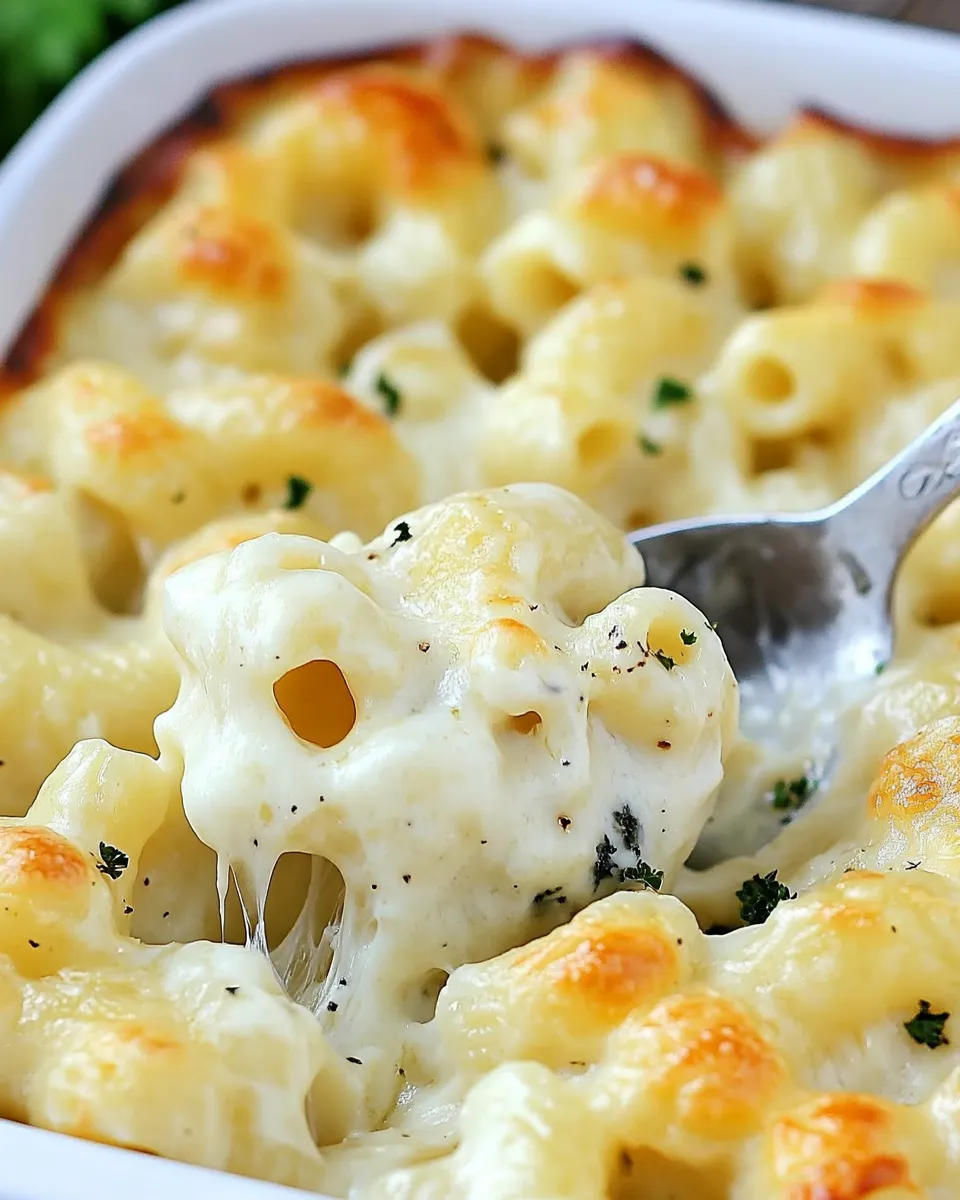
There’s something incredibly comforting about a warm, cheesy bowl of mac and cheese, especially when it’s made effortlessly in one skillet. This Skillet Mac and Cheese recipe is a creamy, dreamy twist on the classic, loaded with a blend of fontina, asiago, and Parmesan cheeses that melt into a velvety sauce. The best part? You’ll have dinner on the table in no time, with minimal cleanup and maximum flavor.
If you’ve ever wanted to master homemade mac and cheese that’s rich but not heavy, and creamy but not greasy, this recipe is your new best friend. Using evaporated milk and just a touch of cornstarch to thicken, it strikes the perfect balance, making every bite utterly delicious and satisfying.
What Makes This Recipe Special

This Skillet Mac and Cheese stands out because it’s all about simplicity and flavor. Unlike traditional baked mac and cheese recipes that require multiple pots and baking time, this one-pot wonder comes together quickly and easily on the stovetop. The combination of fontina, asiago, and Parmesan cheeses introduces a complex, yet mellow cheesy flavor that’s richer than cheddar alone, while the evaporated milk creates a luscious sauce without the need for heavy cream or butter overload.
The gentle thickening from cornstarch ensures the sauce clings perfectly to every piece of macaroni, making sure each bite is full of cheesy goodness. Plus, cooking everything in one skillet means less mess and more time to enjoy your meal. It’s a recipe that’s perfect for busy weeknights, casual dinners, or anytime you need a hug on a plate.
Shopping List
- 4 cups water
- 1 12 oz can evaporated milk
- 1/2 teaspoon salt
- 1 lb elbow or shell macaroni
- 1 teaspoon cornstarch
- 4 oz fontina cheese, grated
- 4 oz asiago cheese, grated
- 2 oz Parmesan cheese, grated
- Fresh parsley (optional, for garnish)
Kitchen Gear Checklist
- Large deep skillet or sauté pan – for cooking pasta and making sauce in one pan
- Measuring cups and spoons – to measure water, milk, salt, and cornstarch precisely
- Grater – to grate fontina, asiago, and Parmesan cheeses fresh for best melting
- Whisk – to thoroughly combine cornstarch into the evaporated milk without lumps
- Wooden spoon or heatproof silicone spatula – for stirring pasta and cheese sauce
- Knife and cutting board – if you plan to chop fresh parsley for garnish
Method: Skillet Mac and Cheese
Step 1: Cook the Pasta
In your large skillet, bring 4 cups of water to a boil over high heat. Add 1/2 teaspoon salt and then pour in 1 pound of elbow or shell macaroni. Stir occasionally and cook until the pasta is just shy of al dente—about 7 minutes. The pasta will finish cooking in the cheese sauce, so avoid overcooking here. Once done, carefully drain most of the water, leaving about 1/4 cup in the skillet to help with the sauce.
Step 2: Prepare the Cheese Sauce Base
In a small bowl, whisk together 1 12 oz can of evaporated milk with 1 teaspoon cornstarch until smooth and no lumps remain. Pour this mixture into the skillet with the pasta over medium heat. Stir constantly as the sauce begins to warm and thicken, about 3-5 minutes. The cornstarch will help create a smooth, creamy base that clings beautifully to the pasta.
Step 3: Add the Cheese
Reduce the heat to low and gradually stir in the grated cheeses: 4 oz fontina, 4 oz asiago, and 2 oz Parmesan. Keep stirring gently until all the cheese is melted and the sauce is silky and gooey. If the sauce feels too thick, add a splash of water or more evaporated milk to loosen it up.
Step 4: Season and Serve
Taste and adjust salt as needed. If you like, sprinkle freshly chopped parsley over the top for a pop of color and freshness. Serve immediately for the creamiest experience.
In-Season Flavor Ideas
- Add roasted butternut squash cubes in the fall for a subtly sweet touch.
- Mix in steamed broccoli florets or asparagus tips in spring for vibrant color and nutrition.
- Top with chopped sun-dried tomatoes and fresh basil during summer months.
- Stir in caramelized onions and sautéed mushrooms for a cozy winter twist.
Notes from the Test Kitchen
- Using evaporated milk instead of heavy cream keeps the dish lighter but still creamy.
- Grating your own cheese makes a big difference in melt quality and flavor intensity.
- If you want a bit more tang, try adding a teaspoon of Dijon mustard to the sauce.
- This recipe is very adaptable; try swapping asiago with a sharp cheddar for a familiar twist.
- For a smoky boost, serve alongside Bbq Chicken Mac And Cheese or complement with Cheesy Baked Ziti for a hearty pasta night.
Refrigerate, Freeze, Reheat
Store leftovers in an airtight container in the refrigerator for up to 3 days. When reheating, add a splash of milk or water and warm gently on the stovetop to restore creaminess without drying out. This mac and cheese doesn’t freeze well due to the milk-based sauce, as it may separate upon thawing.
Ask & Learn
Can I use other types of pasta for this recipe?
Absolutely! While elbow macaroni or shells work best for trapping the sauce, feel free to experiment with cavatappi, penne, or rotini. Just adjust cooking times as needed to keep the pasta al dente before adding the sauce.
What if I don’t have evaporated milk?
If evaporated milk isn’t available, you can substitute with whole milk mixed with a tablespoon of cornstarch. Heat gently while stirring until it thickens to mimic the creamy texture evaporated milk provides.
Can I make this recipe vegan or dairy-free?
This particular recipe relies on a blend of cheeses for its signature flavor and texture. For a dairy-free version, consider using plant-based cheese alternatives and a non-dairy milk thickened with cornstarch, though the flavor profile will differ.
How do I prevent the cheese sauce from becoming grainy?
To keep your cheese sauce smooth, add the cheese slowly over low heat and stir gently. Avoid boiling the sauce once the cheese is added, as high heat can cause the proteins to separate, resulting in graininess.
Similar Recipes
- Bbq Chicken Mac And Cheese – A smoky, hearty twist on classic mac and cheese with shredded chicken and BBQ sauce.
- Cheesy Baked Ziti – A baked pasta dish loaded with cheese and marinara, perfect for family dinners.
- Loaded Cheddar Mashed Potatoes – Creamy mashed potatoes bursting with cheese and savory toppings.
Ready, Set, Cook
Gather your ingredients and kitchen tools, and set aside about 30 minutes to make this luscious skillet mac and cheese. Don’t forget to grate your cheeses fresh for the best melt and flavor. As you whisk the evaporated milk and cornstarch together, you’re just moments away from creamy, cheesy perfection!
Once your skillet mac and cheese is bubbling with that irresistible golden sauce, plate it up and sprinkle with fresh parsley if you like. Serve alongside a crisp green salad or your favorite protein for a balanced, satisfying meal everyone will love.
This recipe is a fantastic base that welcomes creativity—try tossing in some cooked veggies, mixing in crispy bacon bits, or serving with a side of Loaded Cheddar Mashed Potatoes for a comforting feast. Whether it’s a weeknight dinner or a cozy weekend treat, this skillet mac and cheese is sure to become a family favorite.
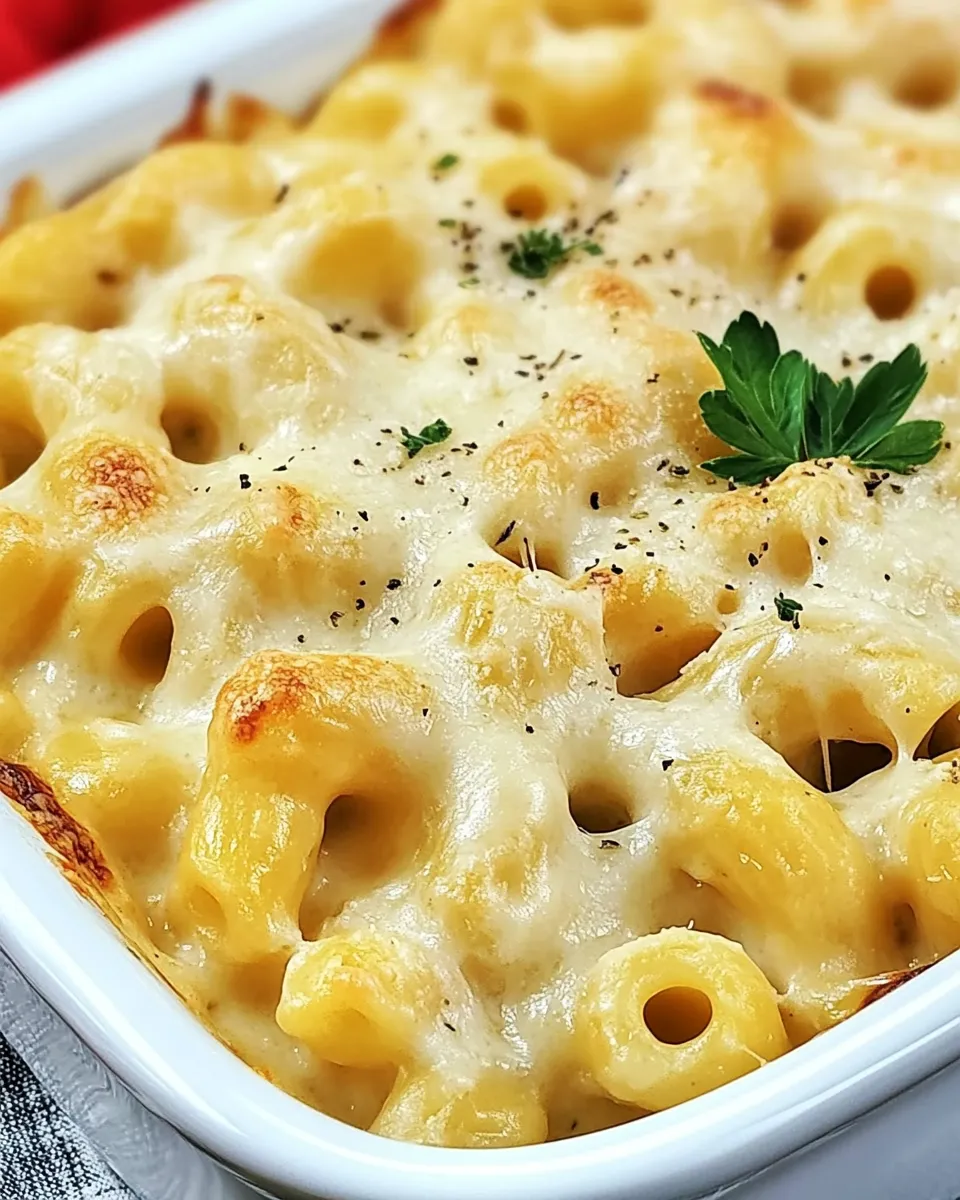
Skillet Mac and Cheese
Ingredients
Equipment
Method
- In your large skillet, bring 4 cups of water to a boil over high heat. Add 1/2 teaspoon salt and then pour in 1 pound of elbow or shell macaroni. Stir occasionally and cook until the pasta is just shy of al dente—about 7 minutes. The pasta will finish cooking in the cheese sauce, so avoid overcooking here. Once done, carefully drain most of the water, leaving about 1/4 cup in the skillet to help with the sauce.
- In a small bowl, whisk together 1 12 oz can of evaporated milk with 1 teaspoon cornstarch until smooth and no lumps remain. Pour this mixture into the skillet with the pasta over medium heat. Stir constantly as the sauce begins to warm and thicken, about 3-5 minutes. The cornstarch will help create a smooth, creamy base that clings beautifully to the pasta.
- Reduce the heat to low and gradually stir in the grated cheeses: 4 oz fontina, 4 oz asiago, and 2 oz Parmesan. Keep stirring gently until all the cheese is melted and the sauce is silky and gooey. If the sauce feels too thick, add a splash of water or more evaporated milk to loosen it up.
- Taste and adjust salt as needed. If you like, sprinkle freshly chopped parsley over the top for a pop of color and freshness. Serve immediately for the creamiest experience.
Notes
- Using evaporated milk instead of heavy cream keeps the dish lighter but still creamy.
- Grating your own cheese makes a big difference in melt quality and flavor intensity.
- If you want a bit more tang, try adding a teaspoon of Dijon mustard to the sauce.