Ashure (Varvara)
Ashure, also known as Varvara, is a delightful and historically rich dessert that hails from the heart of Turkish cuisine. Celebrated for its unique blend of flavors and textures, this traditional dish is often prepared during special occasions and shared among friends and family. With its origins steeped in stories of unity and abundance, Ashure serves as a beautiful reminder of gathering around the table to share not just food, but love. Whether you’re looking to explore a new culinary adventure or seeking a comforting treat, this recipe for Ashure (Varvara) is sure to impress and satisfy.
Why This Recipe is a Keeper
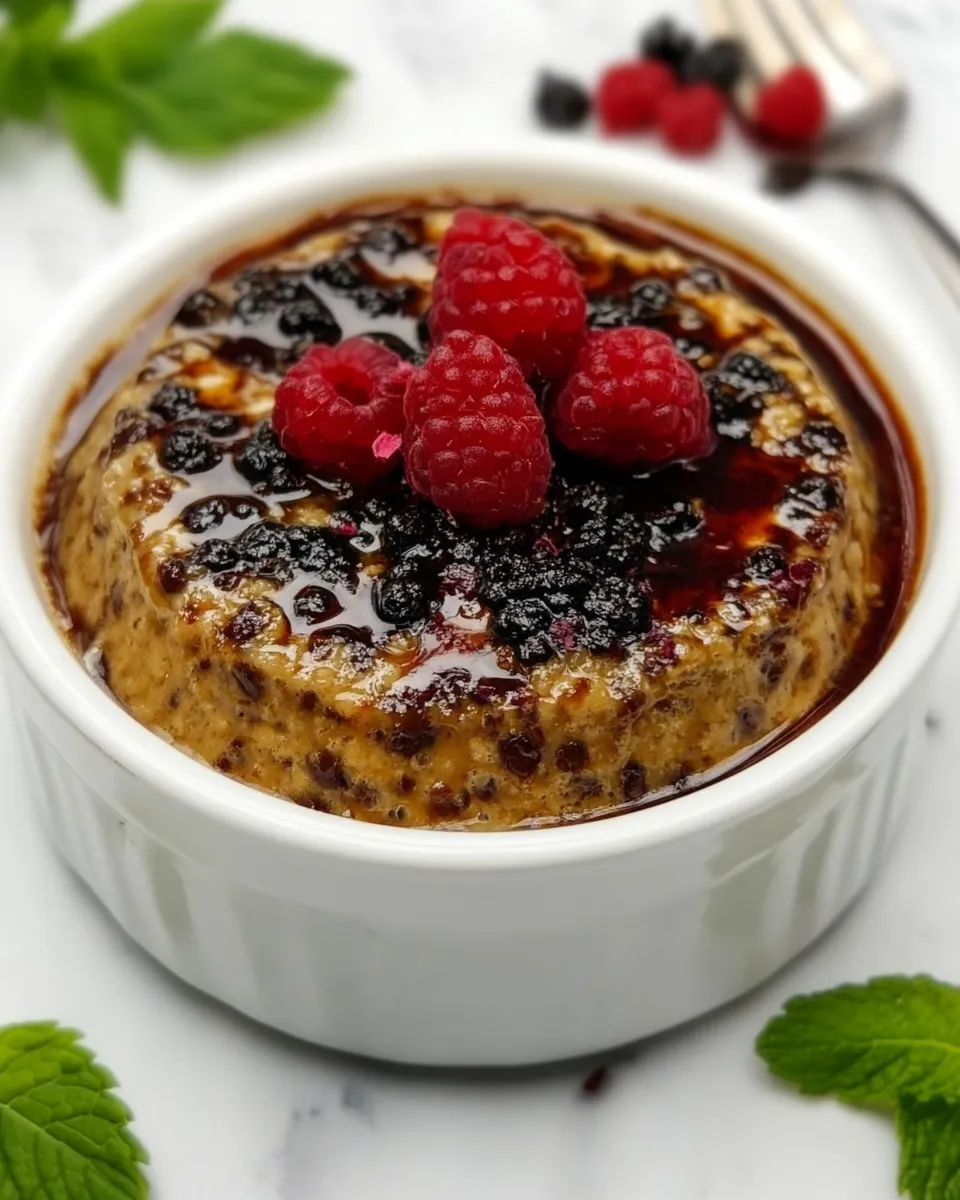
There are countless reasons to cherish Ashure (Varvara). Firstly, the combination of grains, fruits, nuts, and spices creates a symphony of flavors that is both hearty and refreshing. Secondly, it is incredibly versatile; you can customize it based on the ingredients you have on hand or your personal preferences. Lastly, Ashure is not just a dessert; it’s a symbol of sharing and togetherness, making it perfect for gatherings or celebrations. Once you try this recipe, you’ll find yourself making it again and again!
Ingredient Breakdown
Creating a delicious batch of Ashure (Varvara) requires a thoughtful selection of ingredients. Here’s what you’ll need:
- Wheat Berries: Essential for the base, they add a chewy texture and nutty flavor.
- Rice: Provides creaminess and helps to thicken the dessert.
- Chickpeas: Adds protein and heartiness to the dish.
- Dried Fruits: Raisins, apricots, and figs lend natural sweetness and depth of flavor.
- Nuts: Walnuts and pistachios give a satisfying crunch and richness.
- Spices: Cinnamon and cloves add warmth and aroma, enhancing the overall experience.
- Sugar: A touch of sweetness balances the flavors.
- Water: The main cooking liquid for the grains and legumes.
- Fresh Pomegranate Seeds: For garnish, these add a pop of color and tartness.
- Orange Zest: Brightens the dish with a citrusy note.
Before You Start: Equipment
Gathering the right tools will streamline your cooking process. Here’s what you will need:
- Large Pot: For boiling the wheat and rice.
- Wooden Spoon: Essential for stirring and combining ingredients.
- Measuring Cups and Spoons: Accuracy is key for a balanced flavor.
- Cutting Board and Knife: For chopping dried fruits and nuts.
- Serving Bowls: To present your beautiful Ashure (Varvara) to guests.
- Chill Storage Containers: For storing leftovers (if there are any!).
Ashure (Varvara): How It’s Done
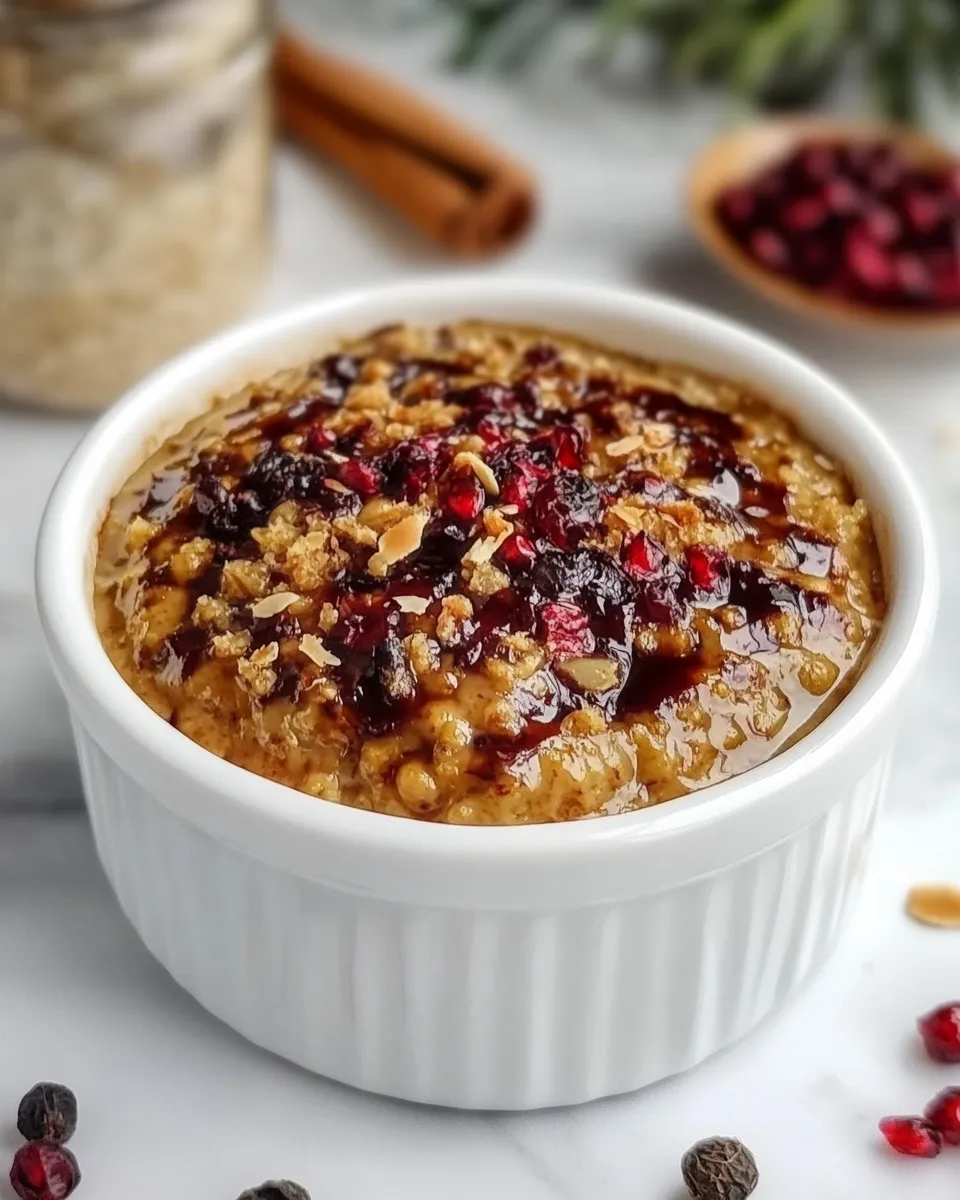
Making Ashure (Varvara) is a labor of love, but the process is straightforward and rewarding. Follow these steps for a delicious result:
Step 1: Prepare the Grains
Start by rinsing 1 cup of wheat berries and soaking them in water overnight. This will help to soften them and reduce cooking time.
Step 2: Cook the Wheat and Chickpeas
In a large pot, combine the soaked wheat berries with 6 cups of water and bring to a boil. Once boiling, reduce the heat and let it simmer for about 30 minutes. Meanwhile, rinse 1 cup of canned chickpeas and add them to the pot after the initial 30 minutes.
Step 3: Add Rice
After the wheat and chickpeas have cooked, stir in ½ cup of rinsed rice. Continue to simmer for an additional 20 minutes, stirring occasionally to prevent sticking.
Step 4: Incorporate Dried Fruits and Spices
Chop ½ cup each of dried apricots and figs. Add them to the pot along with ½ cup of raisins, 1 teaspoon of cinnamon, and a pinch of cloves. Stir well and let it cook for another 10 minutes.
Step 5: Sweeten the Mixture
Add ¾ cup of sugar to the pot, adjusting to taste. Stir until the sugar has dissolved and the mixture has thickened.
Step 6: Final Touches
Remove the pot from the heat and let it cool slightly. Stir in the zest of one orange for a burst of citrus flavor.
Step 7: Serve and Garnish
Pour the Ashure (Varvara) into individual serving bowls. Top with a sprinkle of chopped walnuts and pistachios, as well as fresh pomegranate seeds for a gorgeous presentation.
Warm & Cool Weather Spins
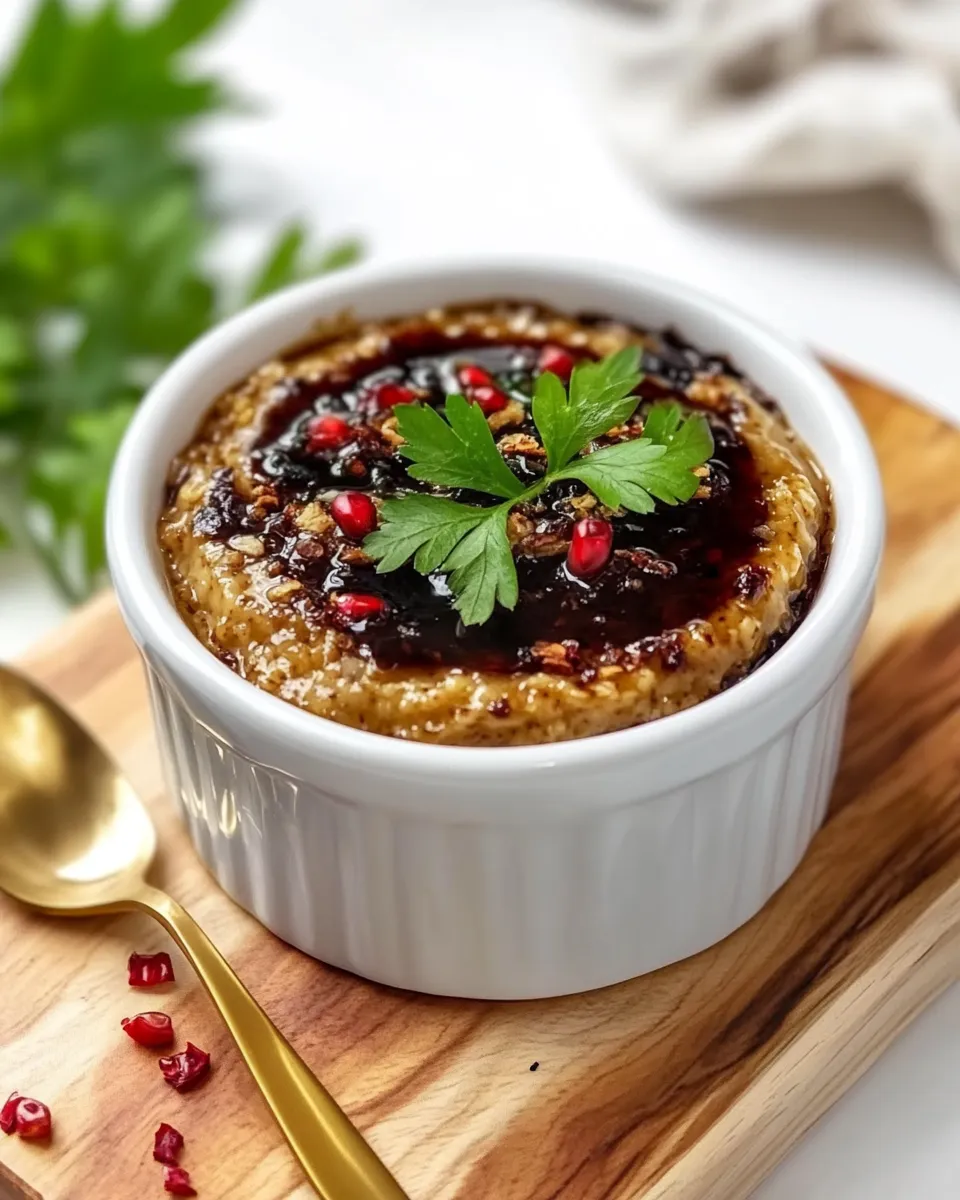
Ashure (Varvara) can be enjoyed year-round, with variations to suit the season:
- In the Winter: Serve it warm, allowing the spices to fill your home with inviting aromas.
- In the Summer: Chill the Ashure in the refrigerator before serving for a refreshing treat on hot days.
- Festive Variations: Add seasonal fruits such as apples in the fall or berries in the summer to enhance the dish.
- Spice It Up: Experiment with adding cardamom or nutmeg for a unique twist.
Behind the Recipe
Ashure has a rich history, often referred to as the “Noah’s Pudding.” According to legend, after the great flood, Noah used whatever ingredients he could find to create this nourishing dish for his family. This narrative of resourcefulness and sharing has transcended generations, and today, Ashure (Varvara) is a staple at family gatherings and religious celebrations. Preparing this dish is not just about the final product; it’s about the journey of cooking together, sharing stories, and creating memories.
Cooling, Storing & Rewarming
Once you’ve made your Ashure (Varvara), proper cooling and storage are essential for preserving its deliciousness:
- Cooling: Allow the Ashure to cool at room temperature for about an hour before refrigerating.
- Storing: Cover the bowls with plastic wrap or transfer to airtight containers. It can be stored in the refrigerator for up to one week.
- Rewarming: If you prefer it warm, gently reheat it on the stove over low heat, adding a splash of water to loosen the consistency as needed.
Quick Q&A
Can I use other grains instead of wheat berries?
Yes! You can substitute with bulgur or quinoa for a different texture while still maintaining the essence of Ashure (Varvara).
Is there a vegan option for this recipe?
This recipe is already vegan-friendly, as it contains no animal products. Enjoy it guilt-free!
How do I make Ashure gluten-free?
To make a gluten-free version, replace wheat berries with gluten-free grains like rice or quinoa, ensuring all other ingredients are also gluten-free.
Can I freeze Ashure?
Yes, Ashure (Varvara) can be frozen. Just be sure to store it in airtight containers and consume within three months for the best flavor.
Let’s Eat
Now that you’ve crafted a beautiful bowl of Ashure (Varvara), it’s time to gather your loved ones and dig in. Share your creation and the stories behind the recipe, and let the flavors transport you to a place of warmth and connection. Ashure is not just a dessert; it is a celebration of life, community, and the joy of sharing. So, take a moment, savor each bite, and enjoy the delightful experience of this traditional dish.
With its rich history and delightful taste, Ashure (Varvara) is a recipe that belongs in your collection. Happy cooking!

Ashure (Varvara)
Ingredients
Equipment
Method
- Start by rinsing 1 cup of wheat berries and soaking them in water overnight. This will help to soften them and reduce cooking time.
- In a large pot, combine the soaked wheat berries with 6 cups of water and bring to a boil. Once boiling, reduce the heat and let it simmer for about 30 minutes. Meanwhile, rinse 1 cup of canned chickpeas and add them to the pot after the initial 30 minutes.
- After the wheat and chickpeas have cooked, stir in ½ cup of rinsed rice. Continue to simmer for an additional 20 minutes, stirring occasionally to prevent sticking.
- Chop ½ cup each of dried apricots and figs. Add them to the pot along with ½ cup of raisins, 1 teaspoon of cinnamon, and a pinch of cloves. Stir well and let it cook for another 10 minutes.
- Add ¾ cup of sugar to the pot, adjusting to taste. Stir until the sugar has dissolved and the mixture has thickened.
- Remove the pot from the heat and let it cool slightly. Stir in the zest of one orange for a burst of citrus flavor.
- Pour the Ashure (Varvara) into individual serving bowls. Top with a sprinkle of chopped walnuts and pistachios, as well as fresh pomegranate seeds for a gorgeous presentation.
Notes
- Allow the Ashure to cool at room temperature for about an hour before refrigerating.
- Store in airtight containers in the refrigerator for up to one week.
- If you prefer it warm, gently reheat it on the stove over low heat, adding a splash of water to loosen the consistency as needed.