Tapenade
If you’re looking for a culinary adventure that transports your taste buds straight to the sun-soaked Mediterranean, then you’ve come to the right place! Tapenade is a versatile and flavorful olive spread that makes a fantastic addition to your appetizer repertoire. With a rich history rooted in French cuisine, this dish combines the earthy goodness of olives, the brightness of fresh herbs, and a hint of tangy lemon, creating a symphony of flavors. Whether served as a dip, spread on crusty bread, or used as a topping for grilled meats and vegetables, tapenade is sure to impress your guests and elevate your meals.
The Upside of Tapenade
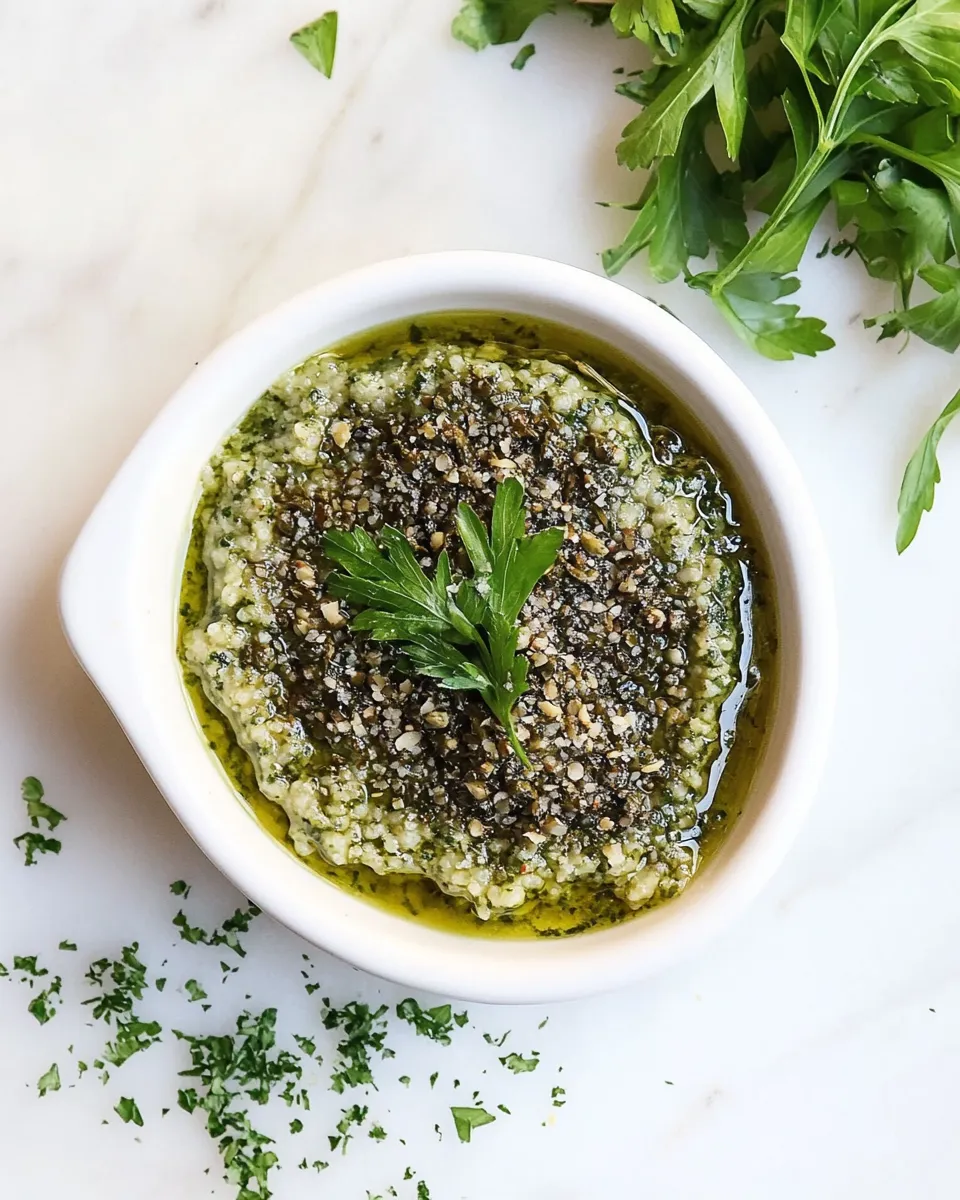
One of the best features of tapenade is its adaptability. Not only is it easy to whip up, but it also makes for a delightful accompaniment to various dishes. It’s perfect for entertaining, allowing you to create a stunning appetizer platter alongside cheeses, crackers, and fresh vegetables. Plus, it’s a fantastic way to incorporate healthy fats into your diet, thanks to the extra virgin olive oil and olives. The combination of flavors is both bold and satisfying, making tapenade a staple in any home cook’s kitchen.
Ingredients at a Glance
- 1/2 cup extra-virgin olive oil
- 3 large cloves garlic, peeled and halved
- 1 cup packed fresh basil leaves
- 1 cup Castelvetrano olives, drained and pitted (see note)
- 2 tablespoons capers, drained and rinsed
- 1 teaspoon anchovy paste
- 1 teaspoon lemon zest, from 1 lemon
- 1 tablespoon lemon juice, from 1 lemon
- Freshly ground black pepper
- Salt, to taste
Appliances & Accessories
- Food Processor: Essential for blending the ingredients into a smooth spread.
- Measuring Cups and Spoons: To ensure you have the right proportions for each ingredient.
- Spatula: Handy for scraping down the sides of the food processor to get every bit of that delicious tapenade.
- Serving Dish: To present your tapenade beautifully when hosting.
Tapenade: From Prep to Plate
Step 1: Prepare Your Ingredients
Start by gathering all your ingredients. Make sure your olives are pitted and drained, your garlic is peeled, and your basil is washed and dried. This will make the blending process much smoother.
Step 2: Blend the Base
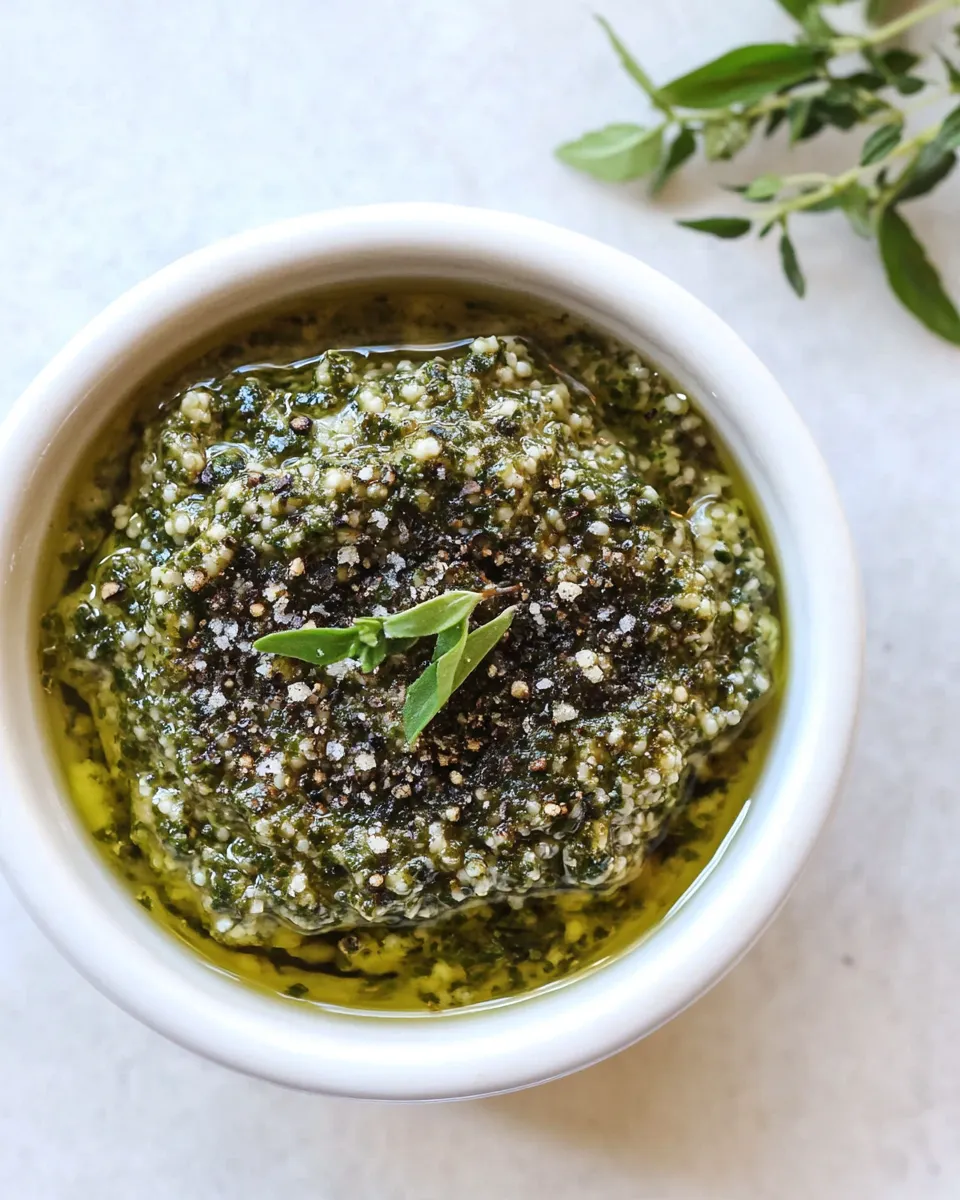
In your food processor, combine the garlic, basil leaves, Castelvetrano olives, capers, and anchovy paste. Pulse the mixture until it’s finely chopped but not completely pureed. You want to retain some texture for that rustic feel.
Step 3: Add the Flavor Enhancers
Next, add the lemon zest, lemon juice, and a generous drizzle of the extra virgin olive oil. Season with freshly ground black pepper and a pinch of salt. Pulse again until everything is well combined, scraping down the sides as necessary.
Step 4: Adjust Consistency
If the tapenade seems too thick, you can add a bit more olive oil until you reach your desired consistency. Taste and adjust the seasoning with more salt or lemon juice if needed.
Step 5: Serve or Store
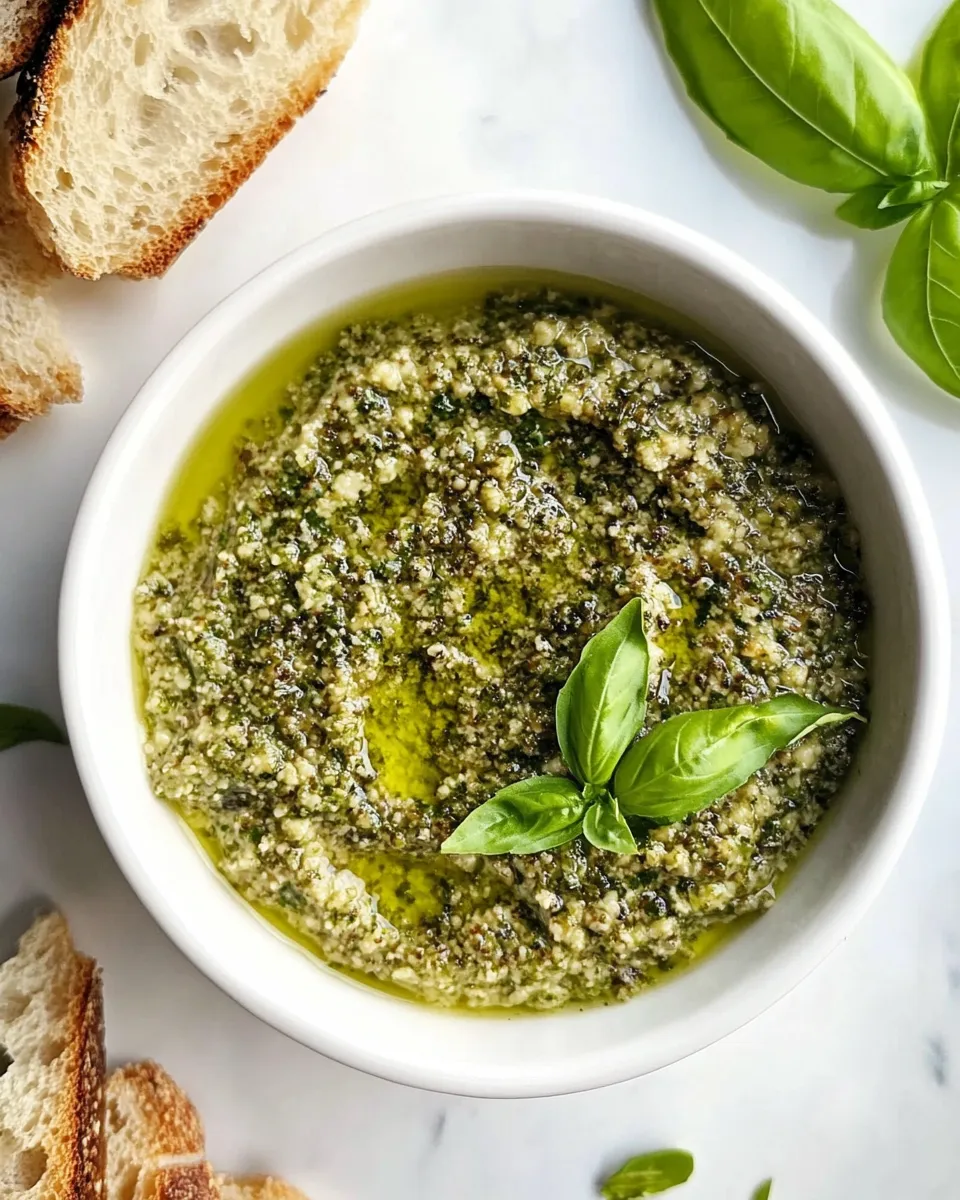
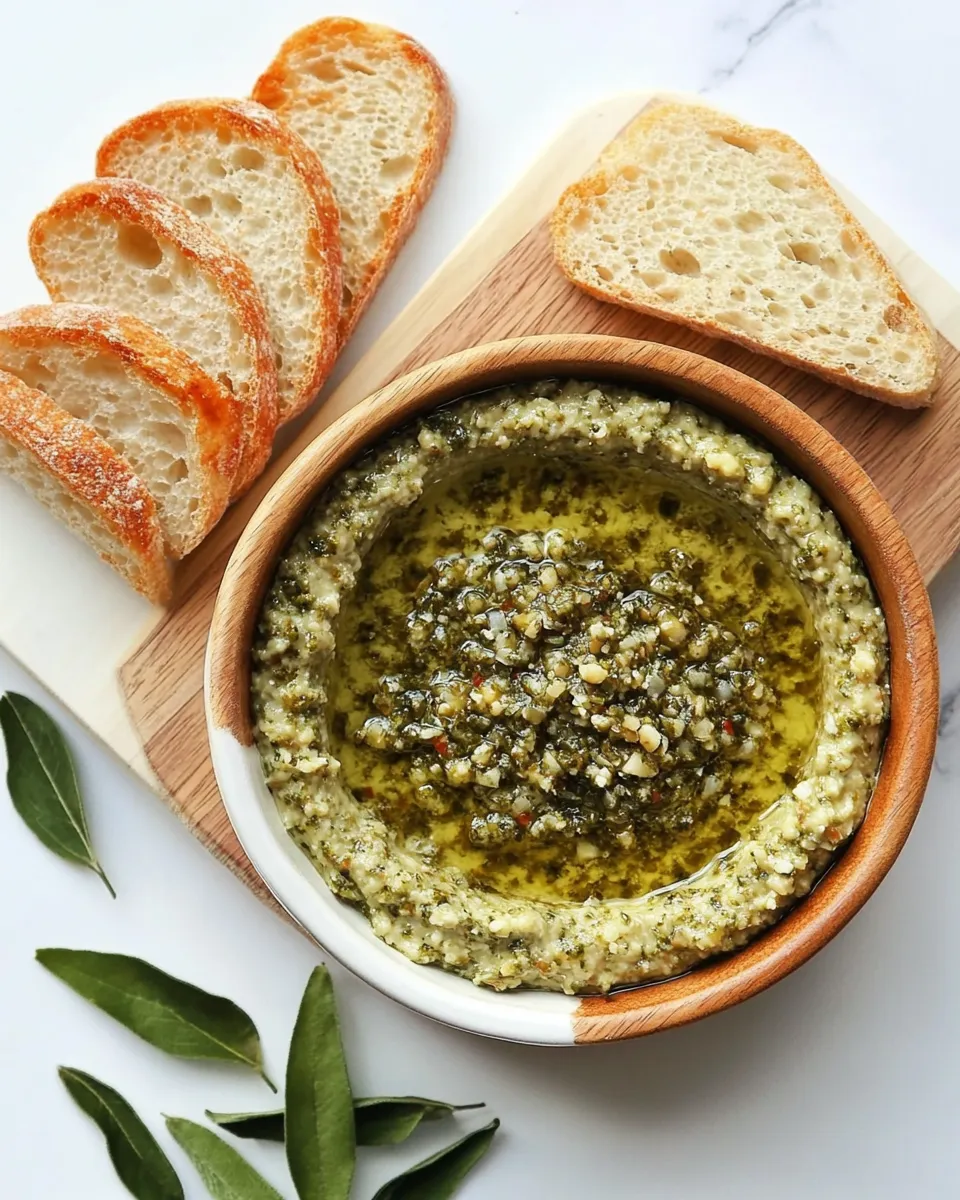
Transfer the tapenade to a serving dish and enjoy it immediately, or store it in an airtight container in the refrigerator for later. Allow the flavors to meld for a few hours for the best taste!
Health-Conscious Tweaks
- Use low-sodium capers to reduce the overall sodium content.
- Replace the anchovy paste with a plant-based alternative for a vegetarian version.
- Consider using herb-infused olive oil for an extra layer of flavor.
- For a gluten-free option, serve tapenade with fresh vegetable sticks or gluten-free crackers.
Troubleshooting Tips
If your tapenade is too salty, try adding a small amount of unsweetened yogurt to balance the flavors. If it’s too thick, a splash more of olive oil or a bit of water can help loosen it up. Remember, always taste as you go to achieve the perfect balance of flavors!
Keep-It-Fresh Plan
To keep your tapenade fresh, store it in an airtight container in the refrigerator. It can last up to one week. If you notice the flavors fading, a drizzle of fresh lemon juice or olive oil can help revive its taste. For longer storage, consider freezing the tapenade in small portions – just be sure to thaw it in the refrigerator before serving!
Ask the Chef
Can I use different types of olives in tapenade?
Absolutely! While Castelvetrano olives provide a sweet and mild flavor, you can mix in Kalamata or other varieties for a different taste profile. Feel free to experiment!
What can I serve with tapenade?
Tapenade pairs wonderfully with crusty bread, crackers, vegetable sticks, or even as a topping for grilled meats and fish. It also works well as a sandwich spread or a flavor booster in pasta dishes.
How do I store leftover tapenade?
Store leftover tapenade in an airtight container in the refrigerator for up to one week. You can also freeze it in small portions for longer storage.
Can I make tapenade ahead of time?
Yes! Tapenade actually tastes even better after sitting for a few hours, allowing the flavors to meld. Make it a day ahead of your gathering for maximum flavor impact.
Make It Tonight
Now that you’ve discovered the delightful world of tapenade, it’s time to roll up your sleeves and create this vibrant dish in your own kitchen. With simple ingredients and straightforward steps, you can create a delicious spread that will impress your family and friends. Whether enjoyed as a dip, a spread, or a topping, tapenade is sure to elevate your culinary game. Dive in and savor every bite of this Mediterranean treasure!
Tapenade
Ingredients
Equipment
Method
- Start by gathering all your ingredients. Make sure your olives are pitted and drained, your garlic is peeled, and your basil is washed and dried. This will make the blending process much smoother.
- In your food processor, combine the garlic, basil leaves, Castelvetrano olives, capers, and anchovy paste. Pulse the mixture until it’s finely chopped but not completely pureed. You want to retain some texture for that rustic feel.
- Next, add the lemon zest, lemon juice, and a generous drizzle of the extra virgin olive oil. Season with freshly ground black pepper and a pinch of salt. Pulse again until everything is well combined, scraping down the sides as necessary.
- If the tapenade seems too thick, you can add a bit more olive oil until you reach your desired consistency. Taste and adjust the seasoning with more salt or lemon juice if needed.
- Transfer the tapenade to a serving dish and enjoy it immediately, or store it in an airtight container in the refrigerator for later. Allow the flavors to meld for a few hours for the best taste!
Notes
- Use low-sodium capers to reduce the overall sodium content.
- Replace the anchovy paste with a plant-based alternative for a vegetarian version.
- Consider using herb-infused olive oil for an extra layer of flavor.