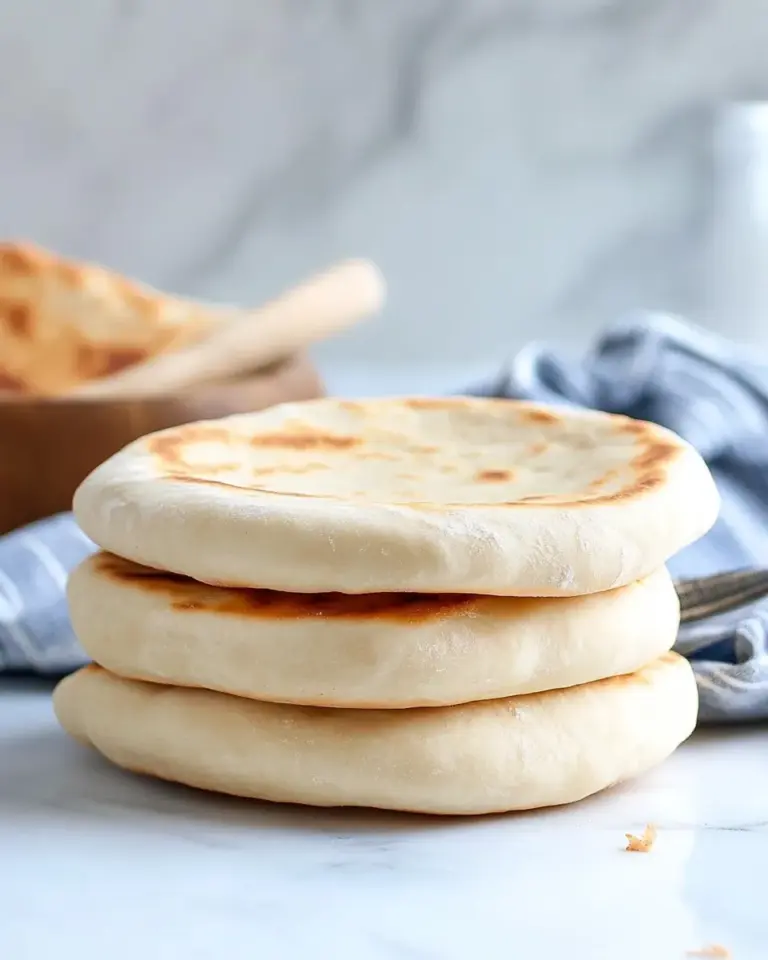
Homemade Bread Recipe
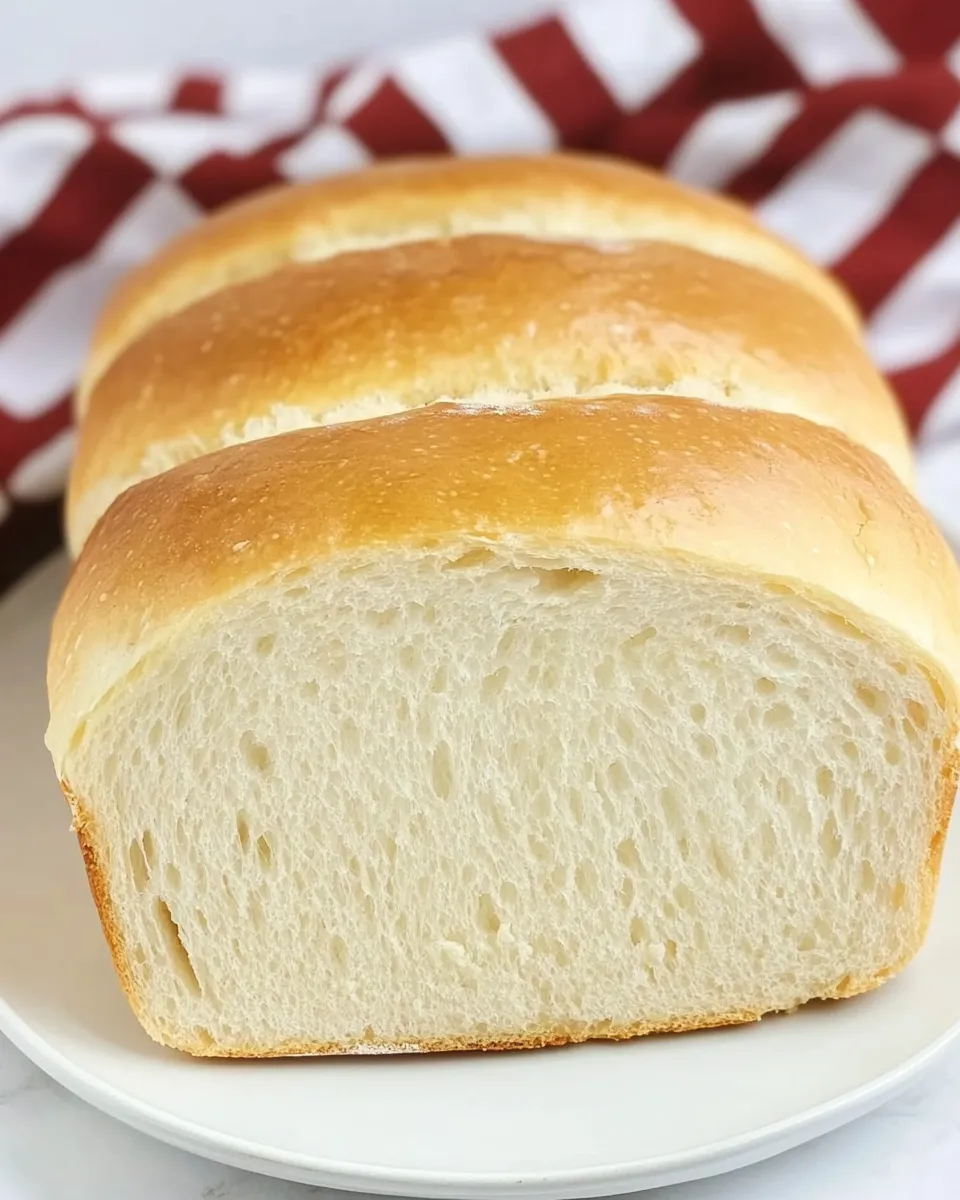
Homemade bread is one of life’s simple pleasures. The aroma of freshly baked bread wafting through your home can instantly uplift your spirits. This Homemade Bread Recipe is not only easy to follow, but it also yields a fluffy, delicious loaf that will make your kitchen feel warm and inviting. Whether you’re a seasoned baker or a complete novice, you’ll find joy in creating this delightful bread from scratch. With just a handful of ingredients, you can enjoy the satisfaction of making your own bread—perfect for sandwiches, toast, or simply enjoying with a pat of butter.
Why This Recipe is a Keeper
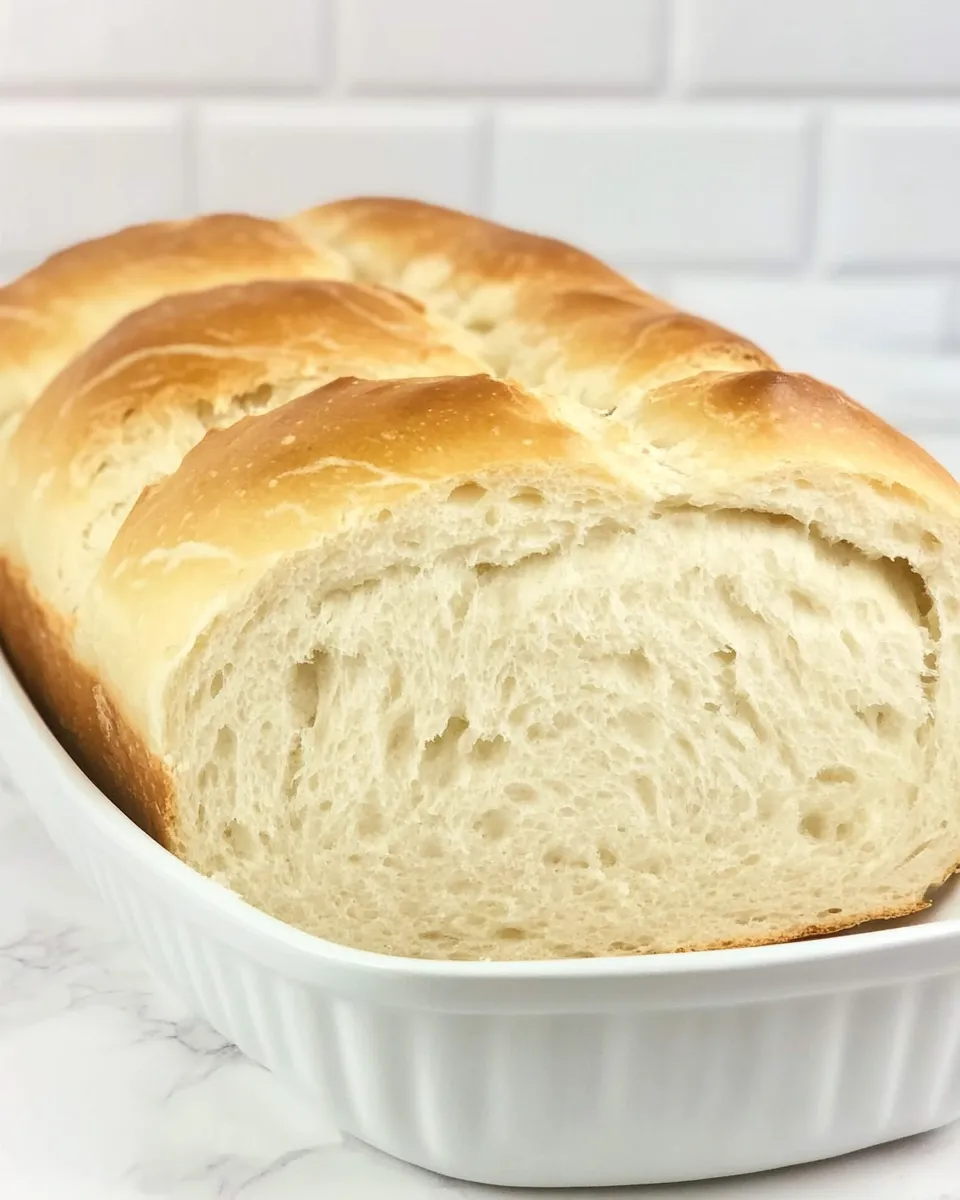
This Homemade Bread Recipe is a keeper for several reasons. First, it’s incredibly versatile; you can customize it with herbs, spices, or even cheese for a delightful twist. Second, it requires simple ingredients that you likely already have in your pantry. Finally, the process is straightforward, making it accessible for bakers of all skill levels. Plus, there’s something therapeutic about kneading dough and watching it rise. Your effort will pay off in the form of a beautiful loaf that tastes so much better than store-bought!
Gather These Ingredients
To make this homemade bread, you will need the following ingredients:
- 2 teaspoons active dry yeast (or 1 packet)
- 2 cups warm water (about 110°F or 43°C)
- 2 tablespoons sugar plus a pinch
- 1 tablespoon salt
- 2 tablespoons vegetable oil
- 5 to 6 cups bread flour (you can also use all-purpose flour)
- Butter for topping (optional, for a delicious finish)
Must-Have Equipment
Before diving into the baking process, make sure you have the following equipment on hand:
- Large mixing bowl – for combining the ingredients.
- Measuring cups and spoons – accuracy is key in baking.
- Wooden spoon or dough scraper – for mixing and kneading the dough.
- Clean kitchen towel or plastic wrap – to cover the dough while it rises.
- Loaf pan – for shaping your bread into a classic loaf.
- Oven – to bake the bread to golden perfection.
Homemade Bread Recipe: How It’s Done
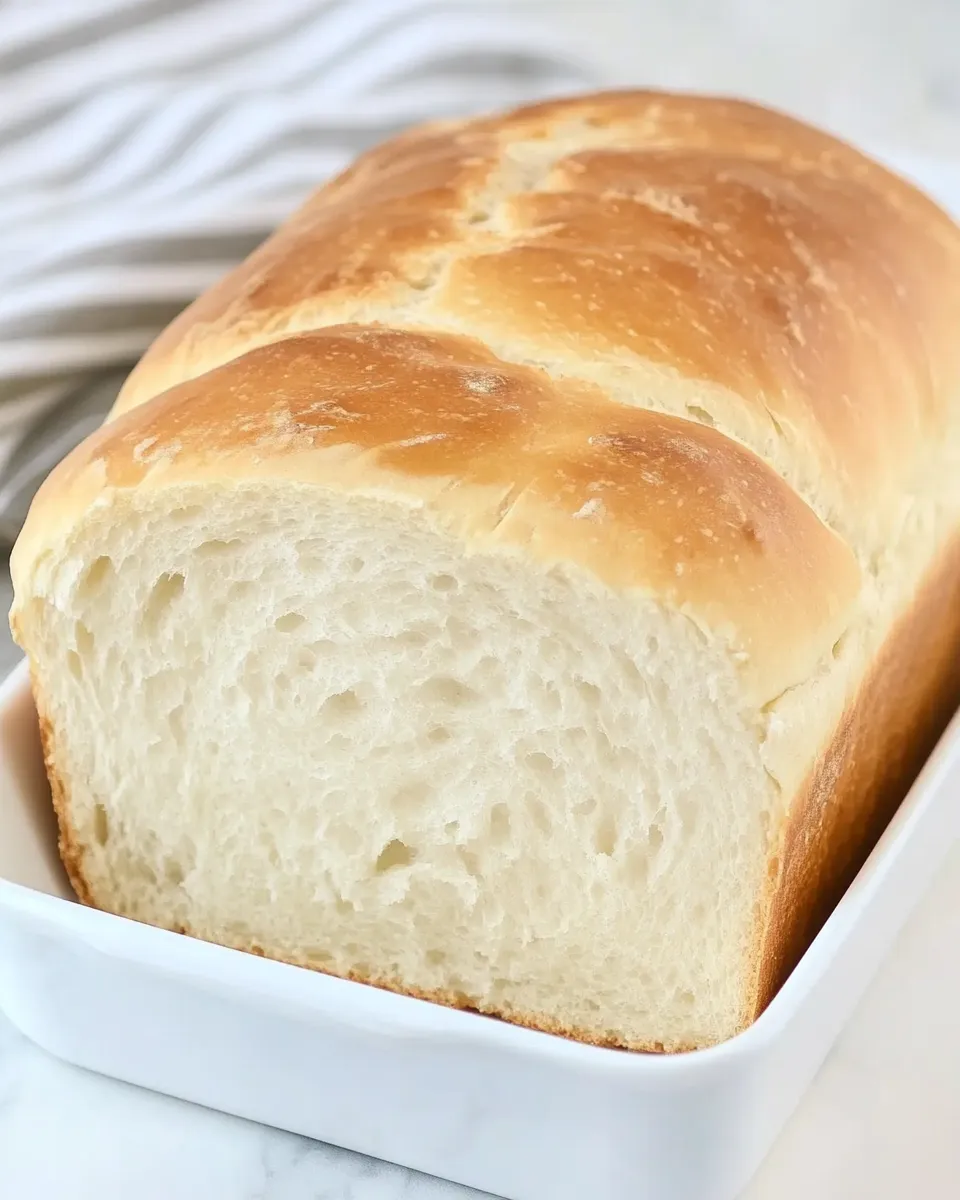
Making homemade bread is a rewarding experience. Follow these simple steps to create your own loaf:
Step 1: Activate the Yeast
In a large mixing bowl, combine the warm water, sugar, and active dry yeast. Let it sit for about 5 to 10 minutes until it becomes frothy. This indicates that the yeast is active and ready to work its magic.
Step 2: Mix the Ingredients
Once the yeast is activated, add the salt and vegetable oil to the mixture. Gradually stir in 5 cups of bread flour, one cup at a time, using a wooden spoon or dough scraper to combine. You’ll know you have enough flour when the dough starts to pull away from the sides of the bowl.
Step 3: Knead the Dough
Turn the dough out onto a floured surface and knead it for about 8 to 10 minutes. If the dough is sticky, sprinkle a little more flour as needed. The goal is to achieve a smooth and elastic texture.
Step 4: First Rise
Place the kneaded dough in a greased bowl, cover it with a clean kitchen towel or plastic wrap, and let it rise in a warm place for about 1 to 1.5 hours, or until it has doubled in size.
Step 5: Shape the Dough
Once the dough has risen, punch it down gently to release any air bubbles. Turn it out onto a floured surface again and shape it into a loaf. Place the shaped dough into a greased loaf pan.
Step 6: Second Rise
Cover the loaf pan with the kitchen towel and let the dough rise again for about 30 to 45 minutes, or until it has risen above the rim of the pan.
Step 7: Preheat the Oven
While the dough is rising, preheat your oven to 375°F (190°C). This is the perfect time to get your oven nice and hot for baking.
Step 8: Bake the Bread
Once risen, place the loaf pan in the preheated oven and bake for 25 to 30 minutes, or until the bread is golden brown and sounds hollow when tapped on the bottom. If desired, brush the top with melted butter for a rich flavor.
Step 9: Cool and Enjoy
Remove the bread from the oven and let it cool in the pan for about 10 minutes. Then, turn it out onto a wire rack to cool completely. Slice and enjoy your homemade bread fresh or toasted!
Make It Year-Round
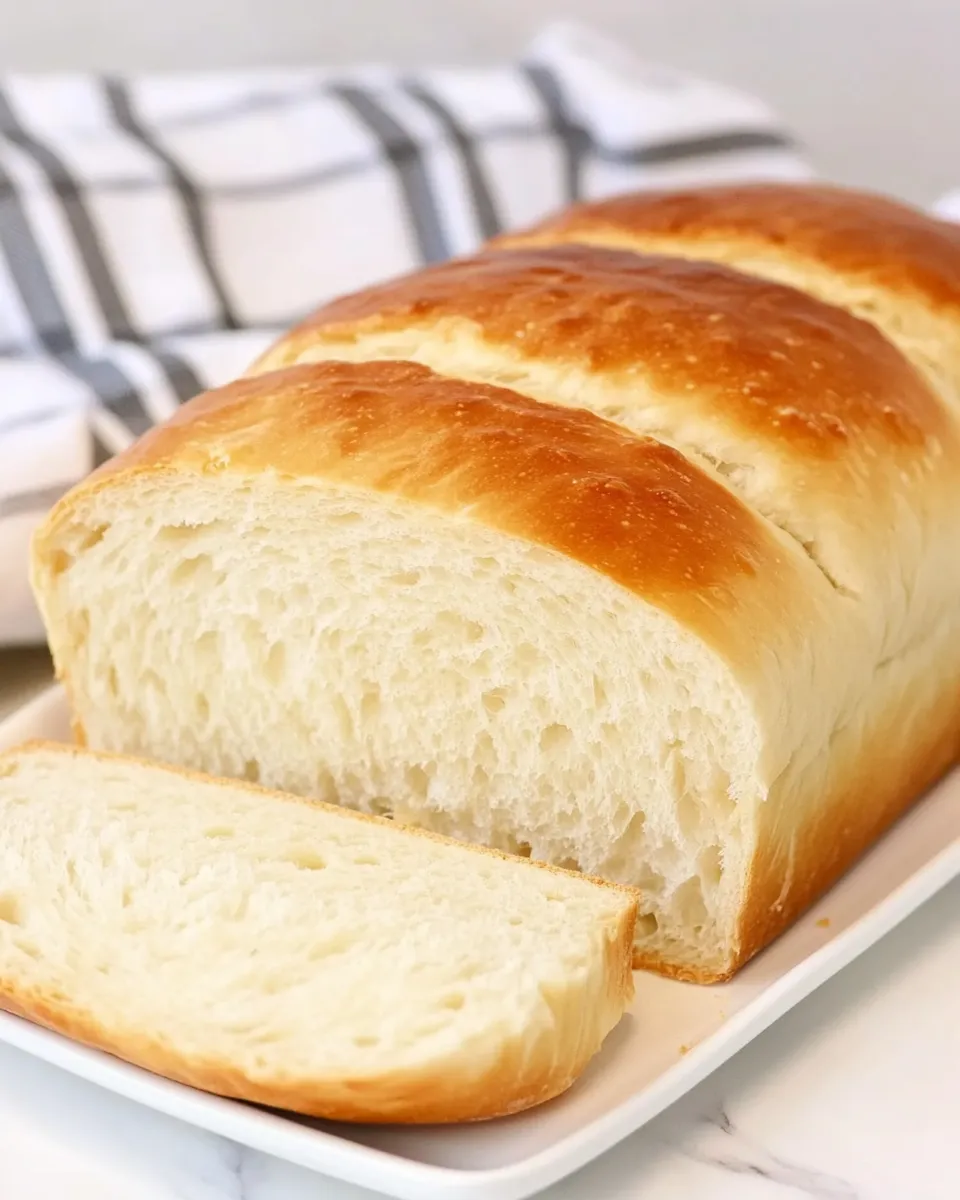
This homemade bread recipe is perfect for any season! Here are some ways to enjoy it throughout the year:
- Seasonal Toppings: In the fall, try adding pumpkin spice for a seasonal twist. In the summer, incorporate fresh herbs like basil or rosemary.
- Sandwiches: Use your bread for hearty sandwiches year-round, from classic turkey and cheese to veggie-packed delights.
- Breakfast Toast: Top slices with avocado and poached egg in the spring or warm cinnamon and sugar in the winter.
- Holiday Gifts: Bake extra loaves to give as gifts during the holiday season, wrapped in pretty paper or a dish towel.
Mistakes Even Pros Make
Even seasoned bakers can fall into common pitfalls when making bread. Here are some mistakes to avoid:
- Using water that’s too hot: Water that’s too hot can kill the yeast, preventing your bread from rising.
- Not measuring flour accurately: Too much flour can result in dense bread. Use the scoop and level method for accuracy.
- Skipping the first rise: Allowing the dough to rise is crucial for developing flavor and texture.
- Not kneading enough: Kneading is vital for gluten development, which gives bread its structure. Don’t rush this step!
Storage & Reheat Guide
To keep your homemade bread fresh and delicious, consider the following storage and reheating tips:
- Room Temperature: Store the bread in a bread box or wrapped in a kitchen towel at room temperature for up to 3 days.
- Refrigerator: If you need to store it longer, you can refrigerate it, but be aware that this may affect the texture.
- Freezing: For longer storage, slice the bread and freeze it in an airtight container for up to 3 months. Thaw slices as needed.
- Reheating: To refresh your bread, pop it in a 350°F (175°C) oven for about 10 minutes.
Popular Questions
Can I use all-purpose flour instead of bread flour?
Yes, you can! All-purpose flour will work in this recipe, although bread flour typically yields a chewier texture due to its higher protein content.
Why did my bread not rise?
There are a few reasons your bread might not rise. Ensure your yeast is fresh and activated properly. Additionally, make sure your dough is kept in a warm environment during the rising process.
Can I add ingredients like herbs or cheese to the dough?
Absolutely! Feel free to mix in herbs, cheese, or even garlic to customize the flavor of your bread. Just be mindful of the extra moisture that these ingredients may add.
How can I tell when my bread is done baking?
Your bread is done when it is golden brown on top and sounds hollow when tapped on the bottom. You can also use an instant-read thermometer; it should read around 190°F (88°C) when fully baked.
Make It Tonight
There’s no time like the present to start your baking adventure. With this Homemade Bread Recipe at your fingertips, you can create a warm, comforting loaf that your family will adore. So gather your ingredients, roll up your sleeves, and enjoy the process of making something truly special. The results will not only fill your stomach but also warm your heart. Happy baking!
Homemade Bread Recipe
Ingredients
Equipment
Method
- In a large mixing bowl, combine the warm water, sugar, and active dry yeast. Let it sit for about 5 to 10 minutes until it becomes frothy.
- Once the yeast is activated, add the salt and vegetable oil to the mixture. Gradually stir in 5 cups of bread flour, one cup at a time.
- Turn the dough out onto a floured surface and knead it for about 8 to 10 minutes.
- Place the kneaded dough in a greased bowl, cover it, and let it rise in a warm place for about 1 to 1.5 hours.
- Once risen, punch it down gently. Turn it out onto a floured surface and shape it into a loaf. Place it in a greased loaf pan.
- Cover the loaf pan with a towel and let it rise again for about 30 to 45 minutes.
- Preheat your oven to 375°F (190°C).
- Once risen, bake for 25 to 30 minutes, or until golden brown.
- Remove from the oven and let it cool in the pan for about 10 minutes before transferring to a wire rack.
Notes
- Store bread at room temperature in a bread box for up to 3 days.
- For longer storage, freeze slices in an airtight container for up to 3 months.
- Brush the top with melted butter for added flavor.