Greek Seasoning Recipe
Greek cuisine is a delightful blend of rich flavors, vibrant colors, and wholesome ingredients. At the heart of many Greek dishes lies the aromatic and versatile Greek seasoning. This Greek Seasoning Recipe is not only easy to whip up at home, but it also brings a taste of the Mediterranean straight to your kitchen. Whether you’re marinating meats, seasoning vegetables, or adding a dash of flavor to soups and stews, this seasoning blend will elevate your dishes to new heights.
The beauty of making your own seasoning mix is that you can control the ingredients and adjust the flavors to suit your preferences. With just a few pantry staples, you can create a fragrant blend that captures the essence of Greek cooking. Let’s dive into what makes this Greek seasoning so special and how to make it yourself!
What Sets This Recipe Apart
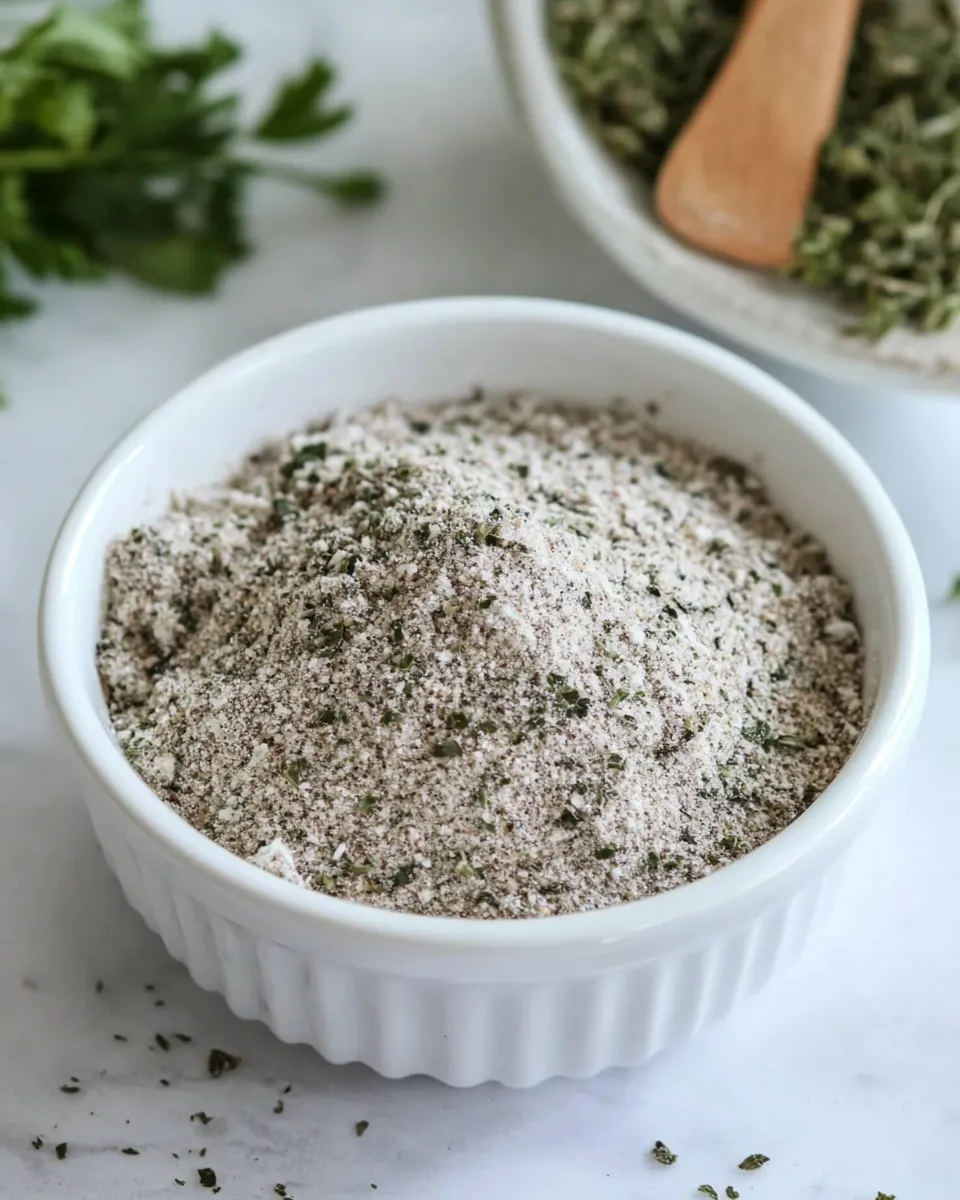
What makes this Greek Seasoning Recipe truly unique is its harmonious blend of dried herbs and spices that perfectly embody the flavors of Greek cuisine. Here’s what sets it apart:
– **Balanced Flavor Profile**: The mix of oregano, thyme, and dill provides a robust herbal flavor, while the onion and garlic powders add depth and richness.
– **Versatile Uses**: This seasoning mix is incredibly versatile. Use it for grilled meats, roasted vegetables, or even in salad dressings for a Mediterranean twist.
– **Easy to Make**: With just a few simple ingredients, this recipe can be prepared in minutes, making it a convenient addition to your culinary repertoire.
Your Shopping Guide
To make your own Greek seasoning, you’ll need to gather the following ingredients:
- 2 teaspoons dried Greek oregano – Provides the signature flavor of Greek dishes.
- 2 1/4 teaspoons salt – Enhances all the flavors in the blend.
- 1 3/4 teaspoons garlic powder – Adds a savory depth to the seasoning.
- 2 teaspoons dried basil – Offers a sweet, aromatic note.
- 1 teaspoon dried marjoram – Adds a slightly minty flavor, complementing the other herbs.
- 3/4 teaspoon dried thyme – Brings earthiness to the mix.
- 1 teaspoon dried parsley – Adds a fresh, mild flavor.
- 1 1/4 teaspoons dried dill – Imparts a distinct, tangy flavor.
- 1 teaspoon onion powder – Provides a subtle sweetness and depth.
- 3/4 teaspoon ground black pepper – Adds a touch of heat.
- 1/4 teaspoon ground cinnamon – Introduces warmth and complexity.
- 1/4 teaspoon ground nutmeg – Complements the other flavors with its warm, nutty profile.
Recommended Tools
Before you start mixing your spices, here are a few tools that will make the process easier:
- Measuring spoons – For accurate measurements of your herbs and spices.
- Mixing bowl – Use a medium-sized bowl to combine your ingredients.
- Whisk or spoon – To thoroughly blend the spices together.
- Air-tight container – For storing your Greek seasoning once it’s made.
Step-by-Step: Greek Seasoning Recipe
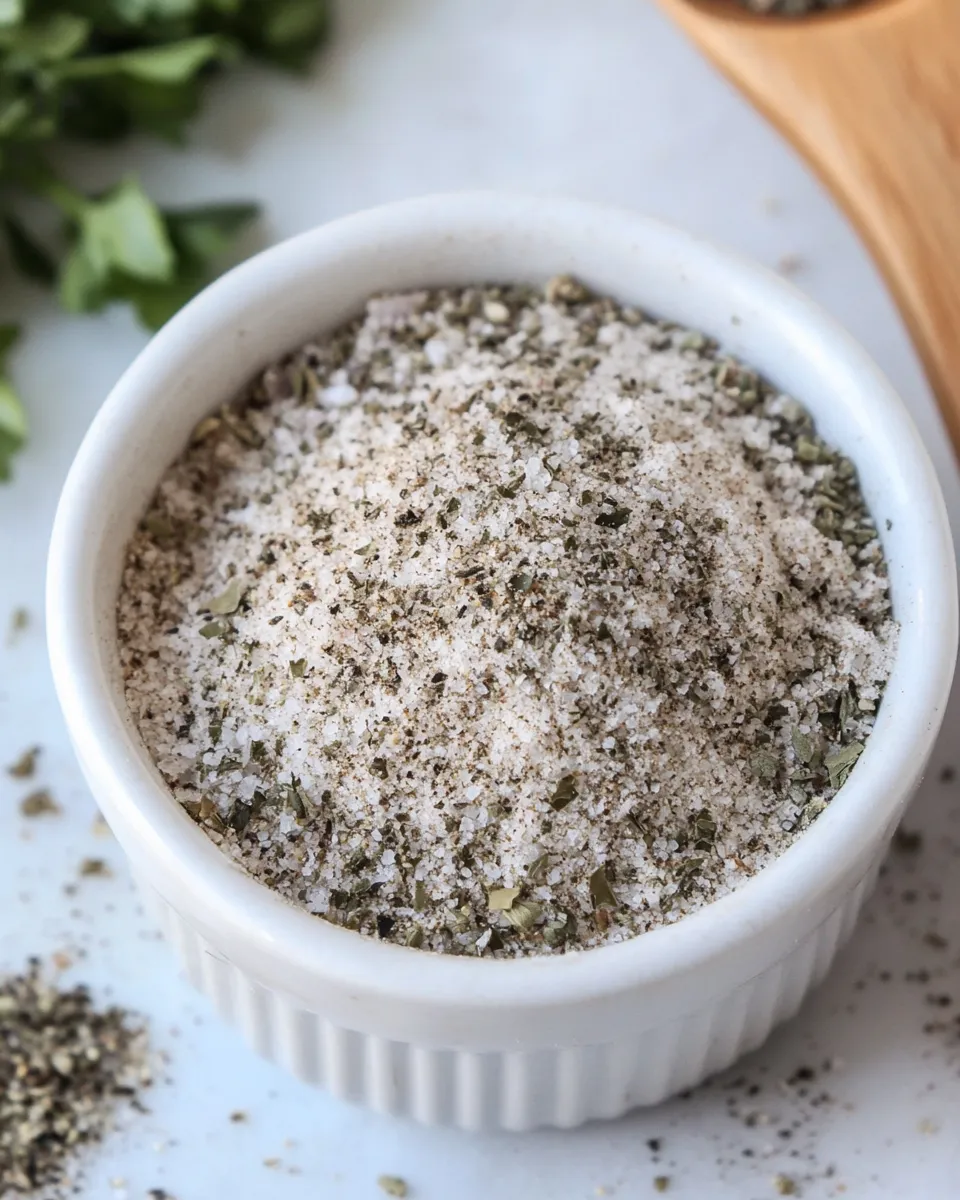
Creating your own Greek seasoning is simple and satisfying. Follow these steps to make your flavorful blend:
Step 1: Gather Your Ingredients
Collect all the necessary herbs and spices from your shopping list. Ensure you have everything on hand to streamline the process.
Step 2: Measure the Ingredients
Using your measuring spoons, carefully measure out each ingredient as listed in the recipe. Precision is key to achieving the perfect flavor balance.
Step 3: Combine in a Mixing Bowl
In a medium-sized mixing bowl, add all the measured herbs and spices.
Step 4: Mix Thoroughly
Using a whisk or spoon, mix the ingredients thoroughly until they are well combined. This step ensures that the flavors meld together beautifully.
Step 5: Store in an Air-tight Container
Transfer your Greek seasoning to an air-tight container. Store it in a cool, dark place, like a pantry, to preserve its freshness.
Allergy-Friendly Swaps
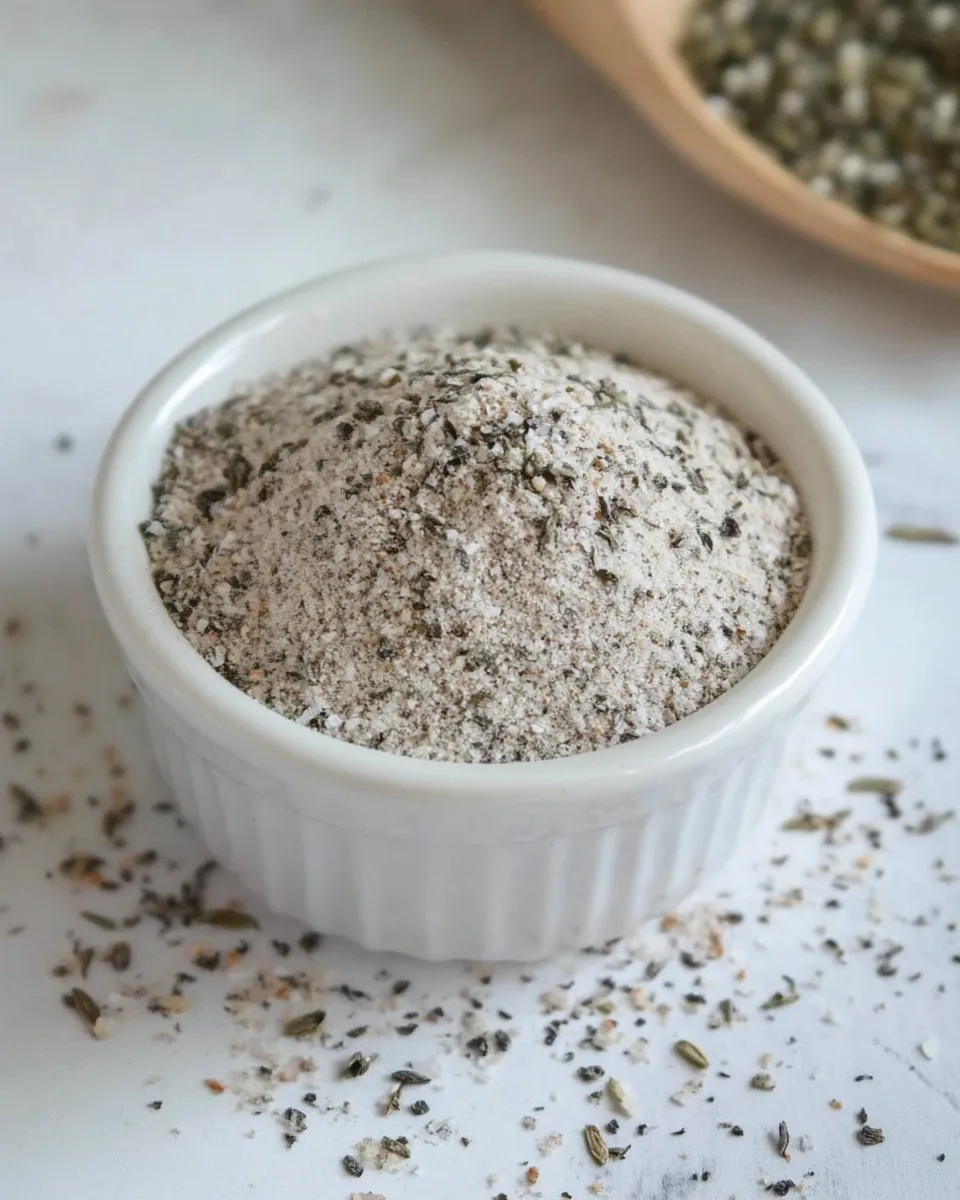
If you have allergies or dietary restrictions, consider these swaps for your Greek seasoning:
- Salt-free version: Use a salt substitute or omit salt entirely for a low-sodium option.
- Garlic-free mix: Substitute garlic powder with a pinch of asafetida for a similar flavor.
- Herb variations: Swap out any herbs you might be allergic to with similar dried herbs you enjoy.
- Fresh herbs: If you prefer fresh over dried, use three times the amount of fresh herbs, but keep in mind that this will alter the shelf life of your seasoning.
Behind the Recipe
The origins of Greek seasoning can be traced back to the Mediterranean basin, where herbs and spices have been used for centuries to flavor dishes. This blend reflects the agricultural richness of Greece, where oregano and thyme flourish in the warm climate. Many families have their own variations, passed down through generations, making each blend unique.
This particular Greek Seasoning Recipe combines traditional herbs to create a blend that’s perfect for everyday cooking. It’s not just about flavor; it’s about bringing a piece of Greek culture into your home.
Store, Freeze & Reheat
To ensure your Greek seasoning stays fresh and flavorful:
- Store: Keep your seasoning in an air-tight container in a cool, dark place. Proper storage can keep it fresh for up to six months.
- Freeze: While not necessary, you can freeze your seasoning in an ice cube tray for longer storage. Just remember to label it!
- Reheat: If you notice a decrease in flavor over time, gently warm the seasoning in a dry skillet for a minute to revive its aromas.
Quick Q&A
Can I use fresh herbs instead of dried ones?
Yes, you can use fresh herbs, but remember to use three times the amount since dried herbs are more concentrated. Keep in mind that fresh herbs have a shorter shelf life.
How can I use this seasoning in my cooking?
This Greek seasoning is perfect for marinating meats, seasoning vegetables, or adding flavor to soups and stews. You can even sprinkle it on salads or use it in dressings!
How long does homemade Greek seasoning last?
When stored properly in an air-tight container, your Greek seasoning can last for up to six months. It’s best to use it within this time frame for optimal flavor.
Can I double this recipe?
Absolutely! Feel free to double or triple the recipe to have more on hand. Just ensure you store it properly in an air-tight container.
Final Bite
Now that you have your very own Greek Seasoning Recipe, you’re ready to infuse your dishes with the vibrant flavors of Greece. This blend not only enhances the taste of your meals but also brings a bit of Mediterranean warmth to your dining table. Whether you’re whipping up a quick weeknight dinner or preparing for a special gathering, this seasoning mix will become a staple in your kitchen.
Get ready to explore all the delicious possibilities that this Greek seasoning offers. Happy cooking!
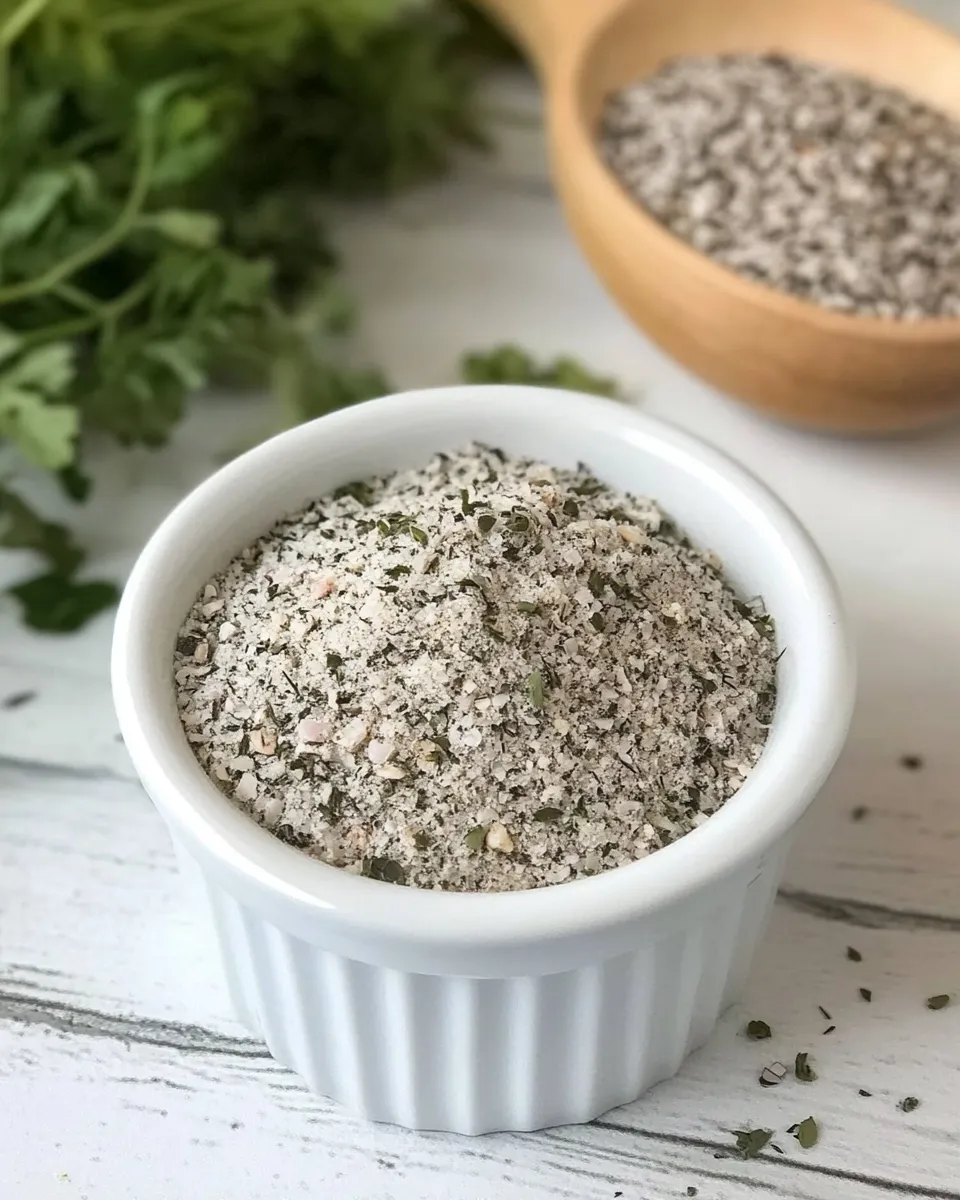
Greek Seasoning Recipe
Ingredients
Equipment
Method
- Step 1: Gather Your Ingredients. Collect all the necessary herbs and spices from your shopping list. Ensure you have everything on hand to streamline the process.
- Step 2: Measure the Ingredients. Using your measuring spoons, carefully measure out each ingredient as listed in the recipe. Precision is key to achieving the perfect flavor balance.
- Step 3: Combine in a Mixing Bowl. In a medium-sized mixing bowl, add all the measured herbs and spices.
- Step 4: Mix Thoroughly. Using a whisk or spoon, mix the ingredients thoroughly until they are well combined. This step ensures that the flavors meld together beautifully.
- Step 5: Store in an Air-tight Container. Transfer your Greek seasoning to an air-tight container. Store it in a cool, dark place, like a pantry, to preserve its freshness.
Notes
- Store your seasoning in an air-tight container for up to six months.
- You can freeze the seasoning in an ice cube tray for longer storage.
- If flavor decreases over time, gently warm in a dry skillet to revive aromas.